 Airppb
Airppb
Airppb
Advanced optical telemetry, dynamic gas calibration systems, and trace chemical identifiers configured for tropical Pacific logistics and volcanic environmental hazards.
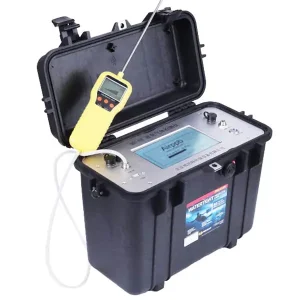
A ruggedized multi-channel analyzer capable of measuring dozens of target gases simultaneously. Certified for rapid disaster deployments and civil defense operations.
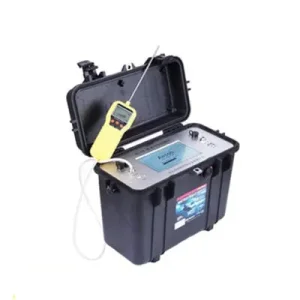
Designed to identify and classify complex odor chemical mixtures at port entries, marine waste facilities, and containment borders.
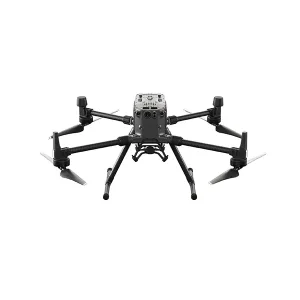
Utilizes advanced Fourier Transform Infrared telemetry to monitor volcanic emissions, trace plumes, and atmospheric compounds from long distances.
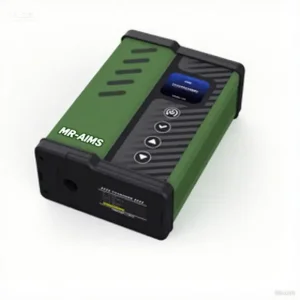
Employs Ion Mobility Spectrometry (IMS) to provide instant on-site profiling of trace environmental pollutants and chemical agents.
Samoa, nestled within the active southwestern Pacific tectonic region, is uniquely vulnerable to rapid onset ecological events, volcanic outgassing (Savai'i volcanic systems), and maritime shipping corridor pollution. Environmental telemetry in these high-humidity, salt-laden microclimates requires analytical instrumentation designed to resist condensation, sensor drift, and corrosive marine conditions.
Apia Port acts as a vital regional maritime logistics node, demanding robust ambient monitoring networks to control toxic fugitive emissions, sulfurous storage vapors, and ship-to-shore chemical safety. Integrating long-range FTIR (Fourier Transform Infrared) telemetry and handheld IMS chemical detectors ensures civil defense operators can isolate hazardous compounds under Samoa’s extreme weather envelopes.
We supply precision instrumentation that seamlessly integrates with local telemetry hubs, aligning with Samoa's sustainable development and disaster resilience framework. Real-time alerts, cloud connectivity, and solar-supported power schemes enable rapid deployment across distant volcanic ridges and rural water catchment perimeters.

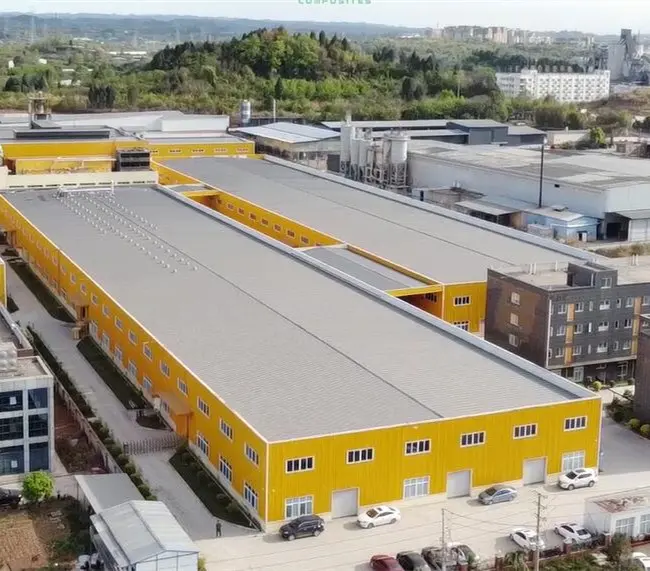
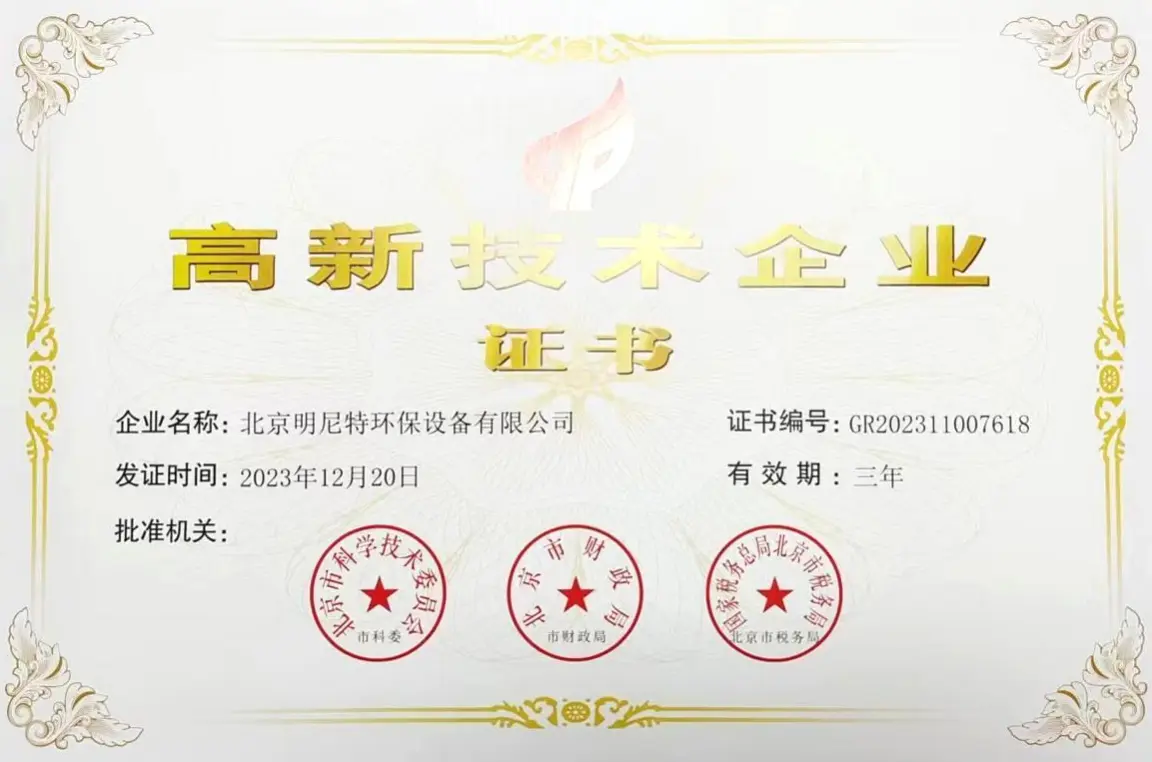
Minnit(Airpbb) is a national high-tech enterprise focusing on the research, development, and industrialized innovative application of precision gas detection instruments. The company uses technological innovation to realize on-site, automated, and intelligent analysis, detection, and monitoring, and is committed to becoming the world's leading manufacturer of scientific instruments.
Mastering complete gas analysis and detection technologies—such as electrochemistry, PID, and spectroscopy—we have developed a comprehensive portfolio encompassing laboratory analysis, on-site analysis (portable, online, mobile), automated analysis, and dynamic calibration devices. These solutions serve users globally in advanced industry, ecological environment safety, first responder networks, and volcanic observation fields.
Established in 2012, Beijing Airpbb Environmental Protection Equipment Co., Ltd. serves as our group’s advanced engineering and manufacturing base. Over more than a decade, we have established our leadership in FTIR remote sensing imaging systems, ambient micro air stations, dynamic high-precision gas distribution systems, and customizable OEM/ODM product architectures.
How we solve complex atmospheric, safety, and operational challenges across sectors.
Integration of FTIR remote telemeters with regional geological systems to map SO2, CO2, and H2S outgassing curves. Essential for predictive hazard warnings in volcanic regions.
Portable multi-gas monitors configured with high-contrast displays, heavy-duty drop-proof enclosures, and ultra-sensitive PID sensors for post-disaster zones.
Explosion-proof, continuous ambient air monitors tracking volatile compounds (VOCs), combustible gases, and hydrogen sulfide around storage tanks and bunkering docks.
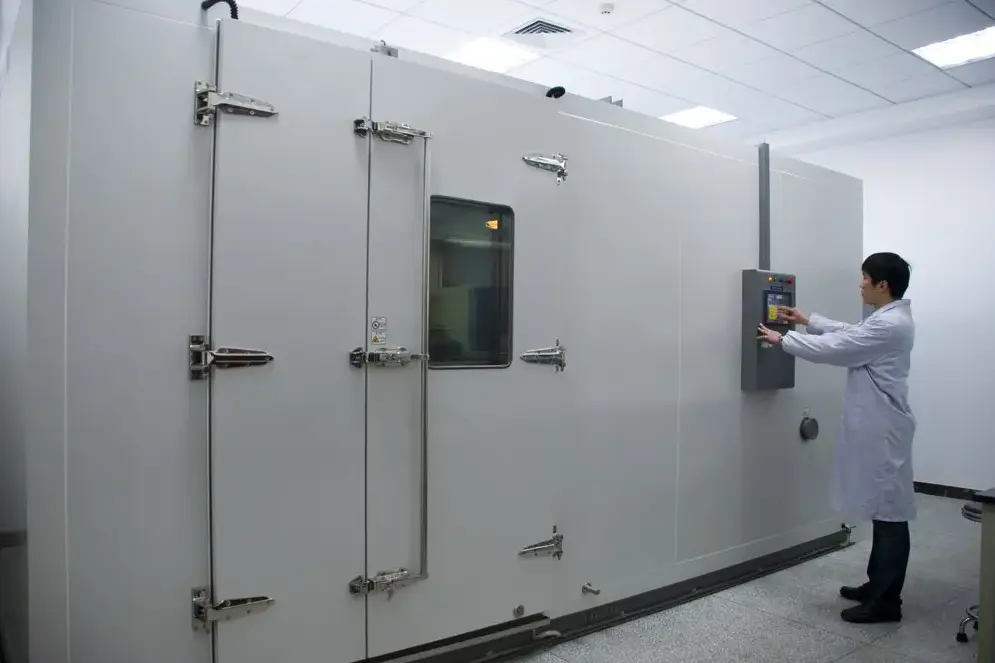
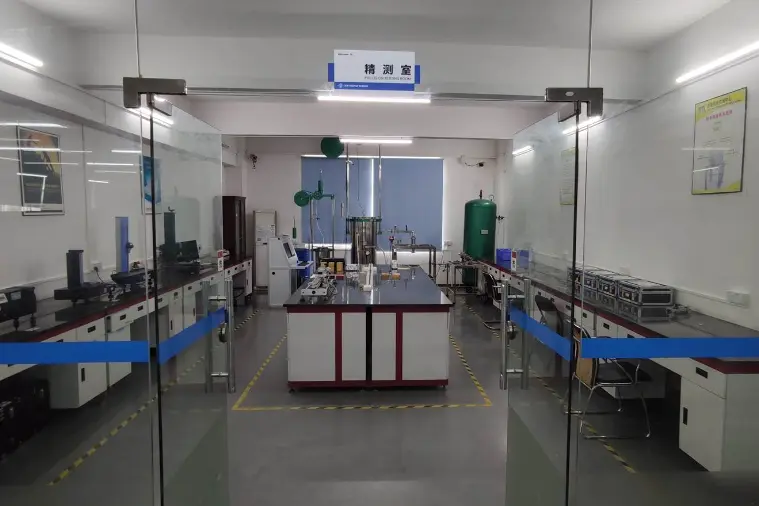
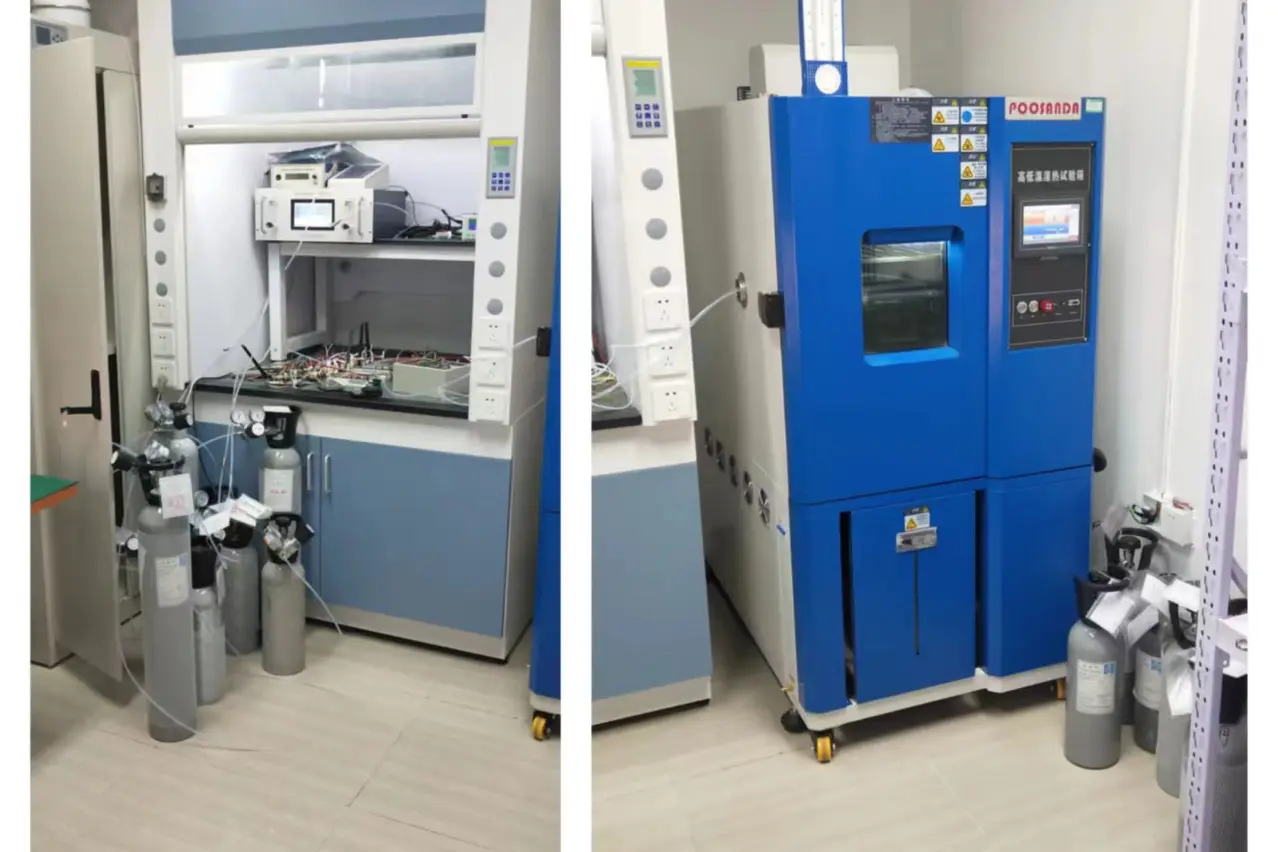
Accessing high-tech scientific instruments in mid-Pacific regions like Samoa can be restricted by long lead times and logistics challenges. Beijing Airpbb’s state-of-the-art Factory 4.0 infrastructure resolves this gap. Our automated calibration facilities, automated sensor burn-in chambers, and smart inventory controls enable rapid deployment to remote global locations.
By using dynamic multi-component gas-liquid mixing systems, we perform comprehensive factory calibrations under simulated tropical conditions. This minimizes on-site commissioning times and guarantees stable initial operation out of the box.
We work directly with major logistics networks to ensure specialized calibration gases, replacement sensors, and analytical telemetry instrumentation reach Samoa quickly, supporting continuous operations at regional stations.
Our direct-from-factory structure allows us to customize gas monitoring solutions for specific local environments and emergency response standards.
Our instruments conform to international standards, providing trustworthy data in volatile environmental emergencies.
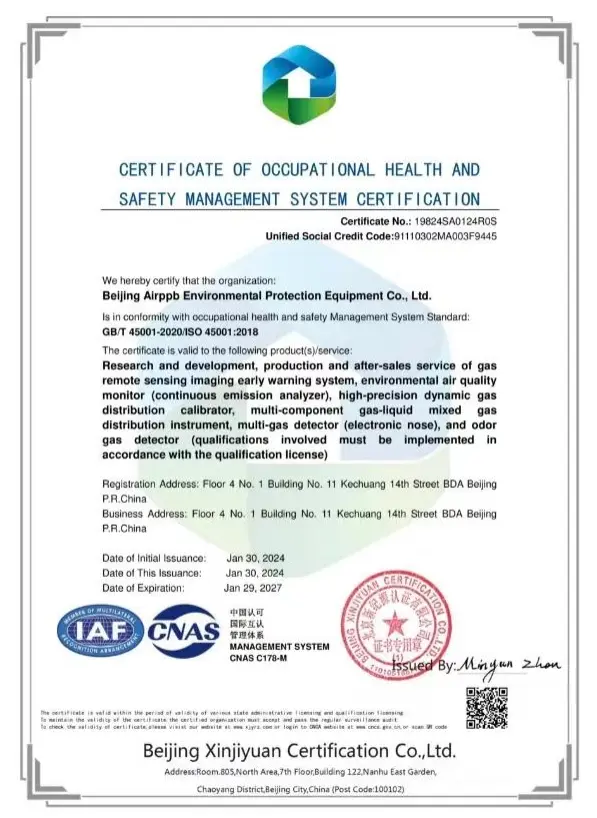
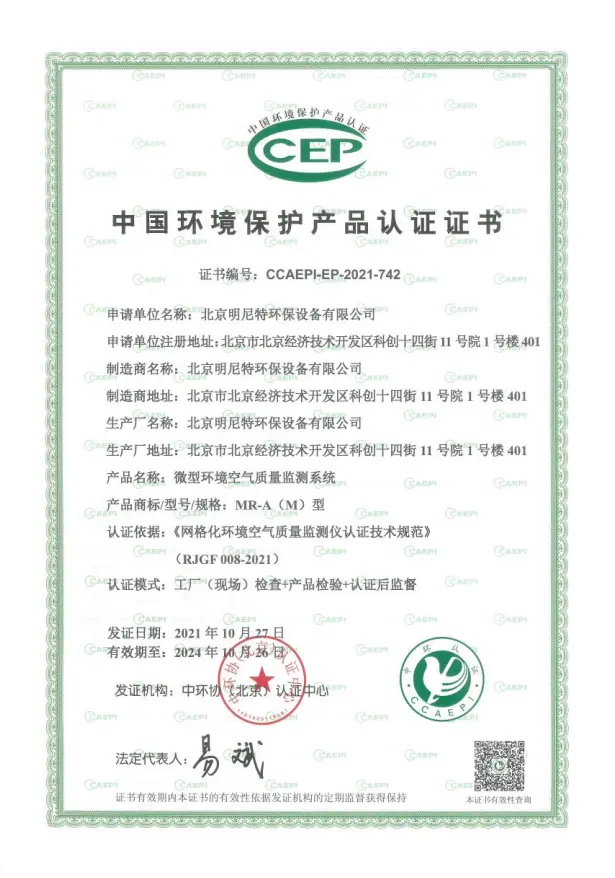
Airpbb quality processes strictly adhere to ISO9001 Quality Management Systems, ISO14001 Environmental Management Systems, and ISO45001 Occupational Health and Safety standards. Product lines also comply with national certifications including CPA, CCEP, and carry CNAS/CMA testing reports.
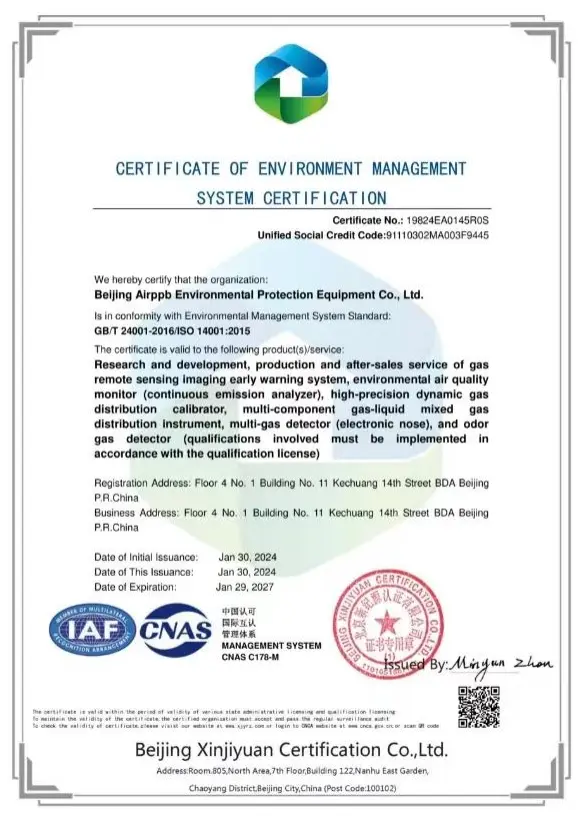
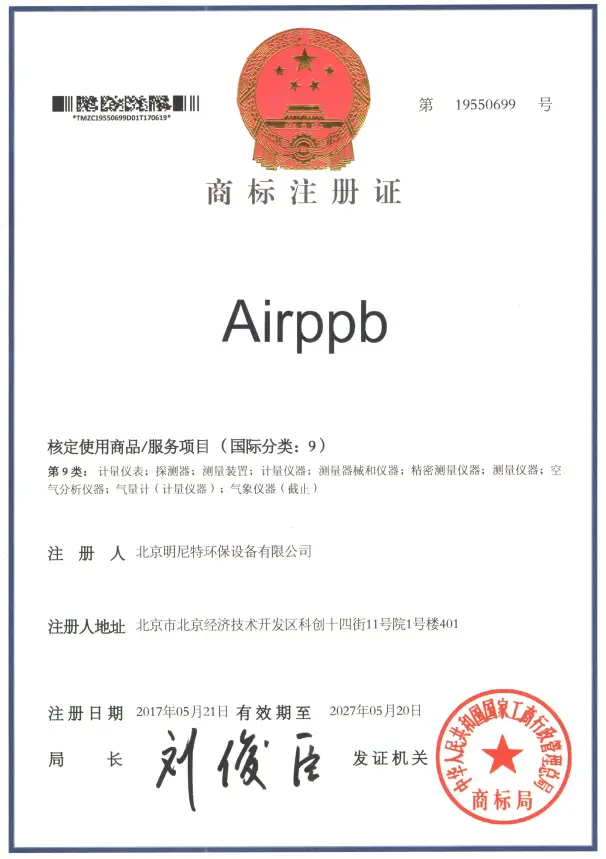
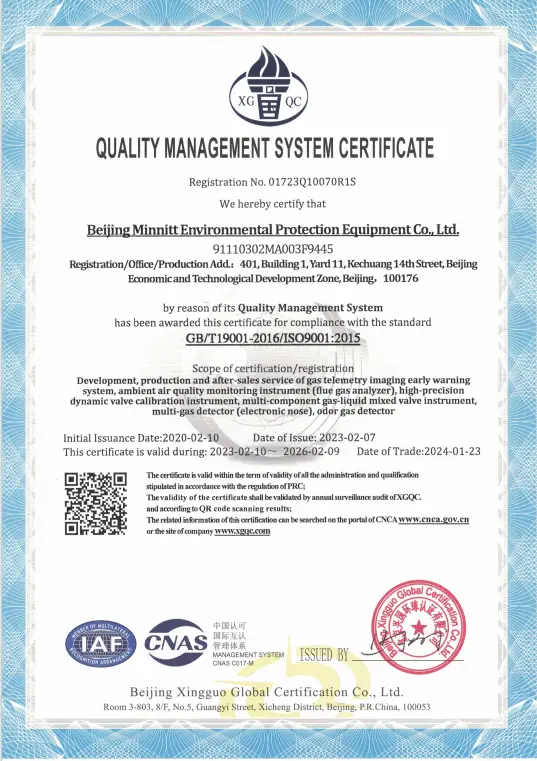

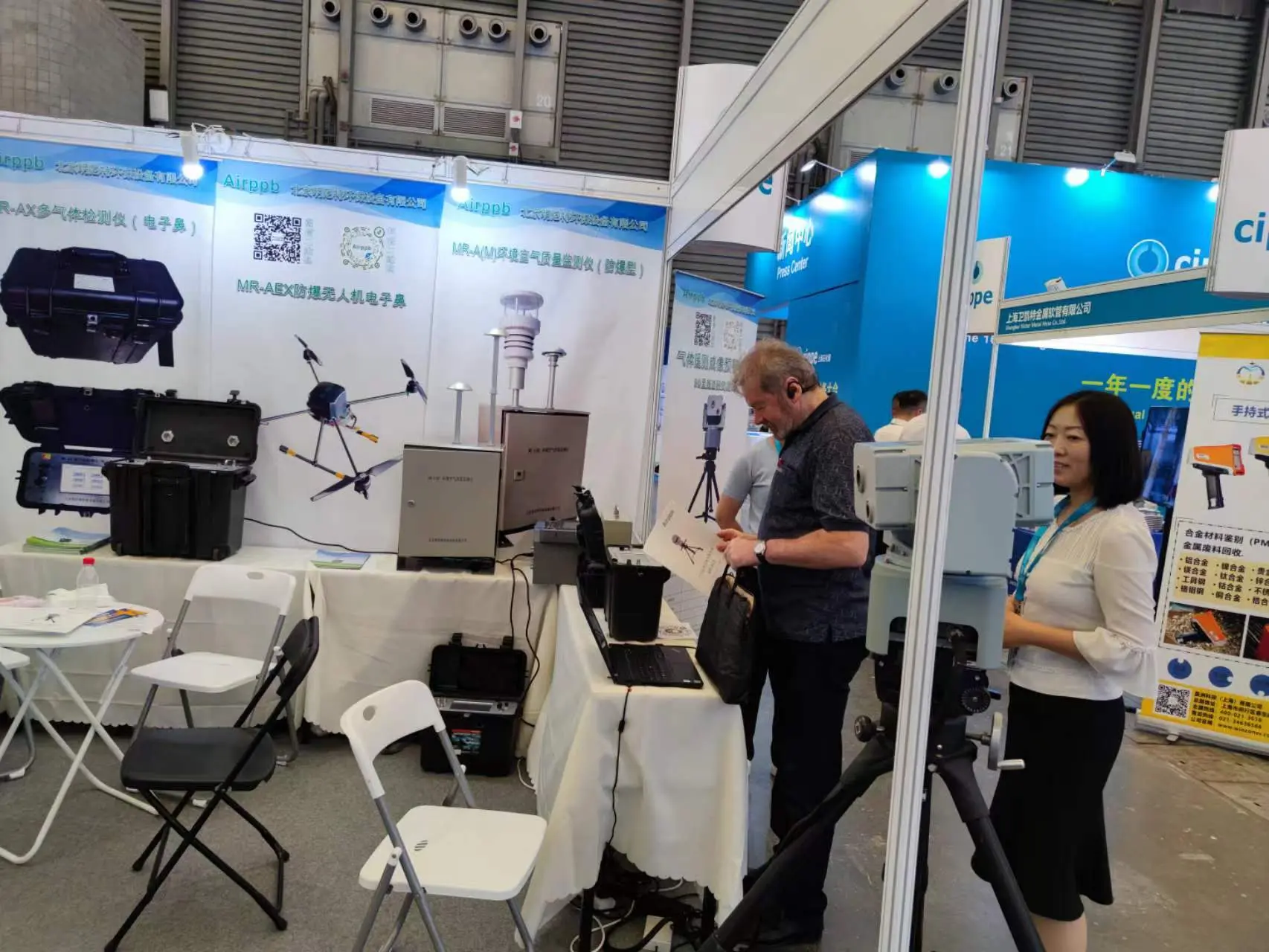
Showcasing our precision instrumentation at top environmental protection, safety, and metrology events worldwide.
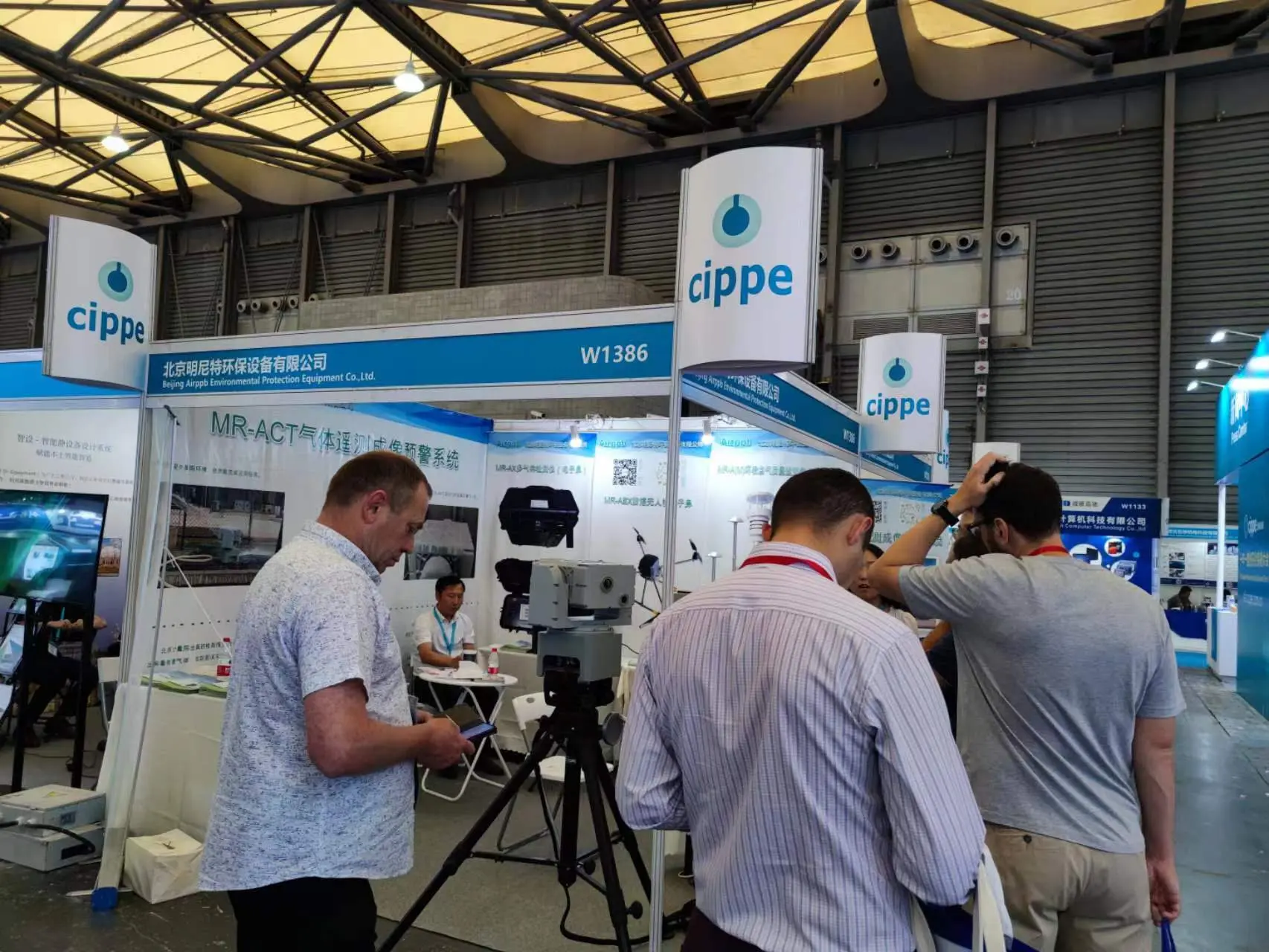
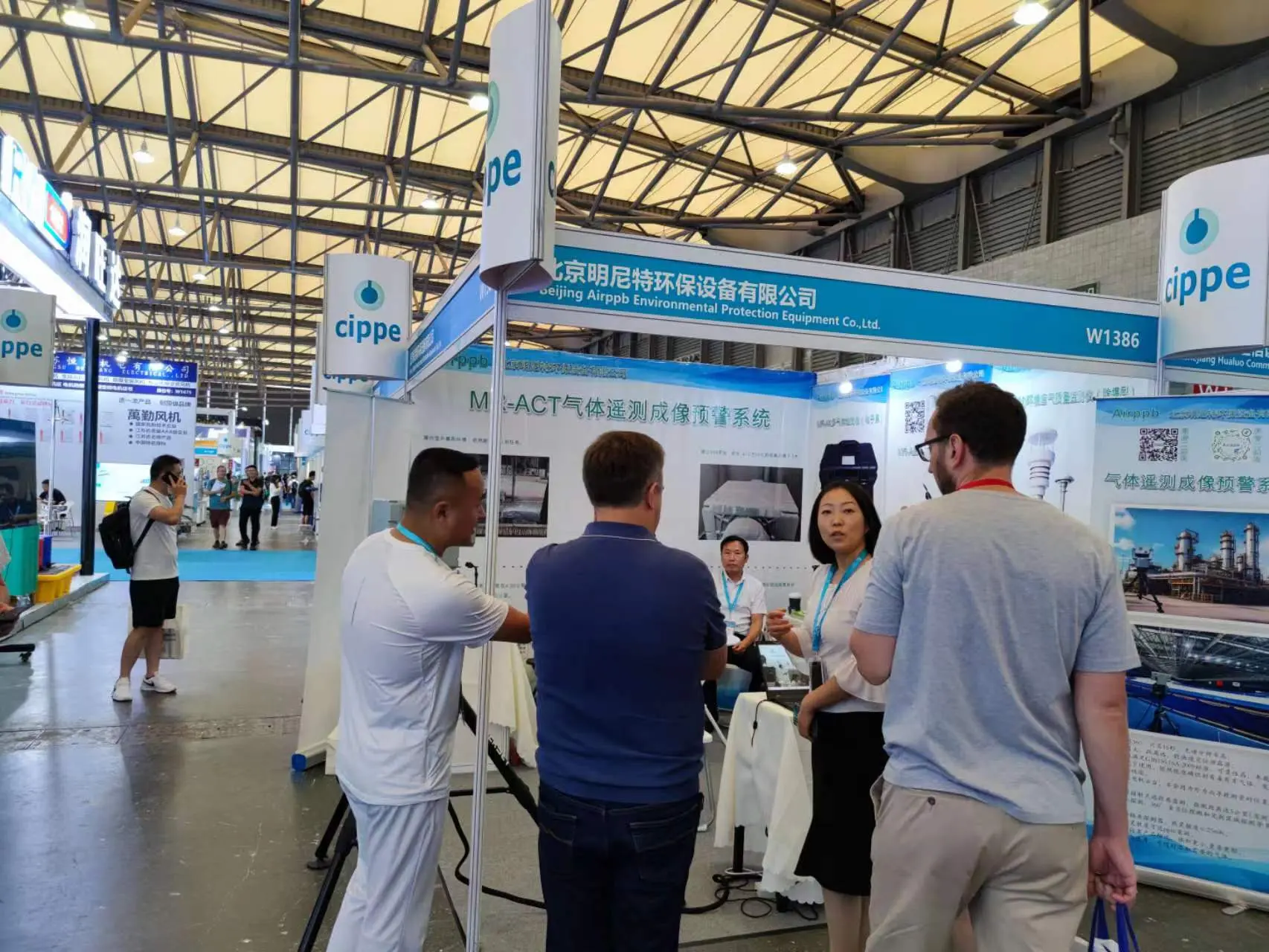
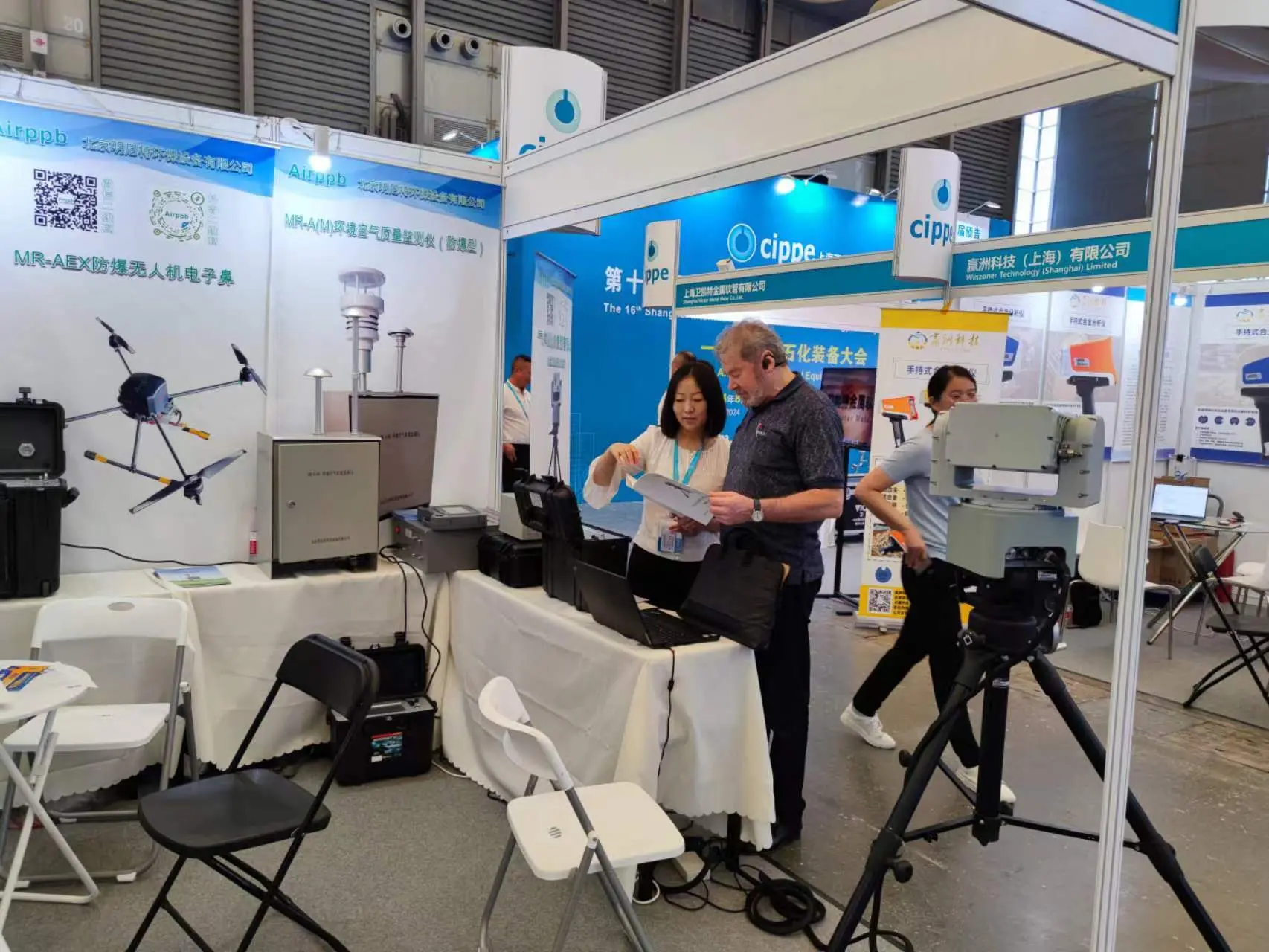

Driving the next generation of gas telemetry through multispectral imaging, IoT networks, and smart sensor diagnostics.
Enhancing our Fourier Transform Infrared telemetry optical path to improve accuracy under high humidity and marine environments. This is particularly valuable for volcanic gas telemetry across Samoa and the Pacific region.
Deploying micro air stations that integrate directly with LoRaWAN and satellite relays, ensuring continuous environmental monitoring in remote coastal areas and forest preserves.
Implementing smart self-calibration systems that use our dynamic gas distribution meters. This minimizes manual maintenance cycles and limits calibration drift on remote sites.
Our R&D team has refined the infrared light paths in our telemetry systems, lowering detection limits for volcanic compounds like SO2 and gaseous hydrochloric acid.
All field equipment features anti-corrosive, marine-grade housings rated to IP66/IP67, resisting the salt-laden atmospheric conditions typical of the Pacific islands.
Addressing key technical, logistical, and performance concerns for our Pacific and global clientele.
Complete laboratory, mobile, and remote gas analysis instrumentation designed for high accuracy and extreme environmental resilience.
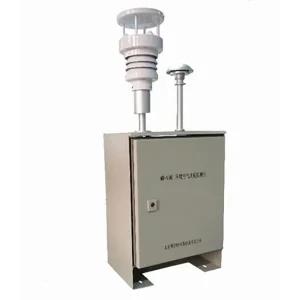
A comprehensive micro air monitoring station designed for tracking localized petrochemical fumes, maritime shipping exhaust, and urban particulates.
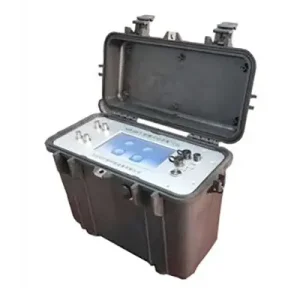
A portable calibration gas system capable of mixing precise concentrations on-site. Essential for maintaining high-precision field sensor arrays.
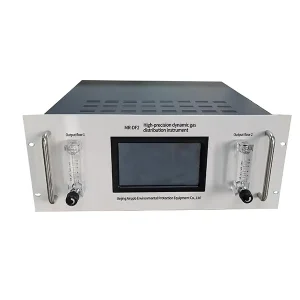
A laboratory-grade multi-channel gas calibrator designed to generate stable, multi-component trace standards for complex air analyzers.
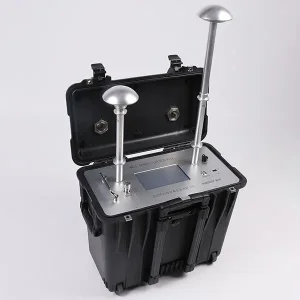
A ruggedized hand-held or pole-mountable micro air monitor, designed to track trace concentrations of key toxic and combustible compounds.
Combines photoionization detectors and electrochemical arrays to measure and classify complex odor chemical footprints in municipal zones.
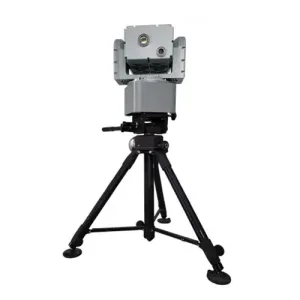
Features multispectral imaging capability to map, visualize, and track invisible fugitive gas clouds in real-time, preventing industrial catastrophes.
A long-range Fourier Transform Infrared spectrometer configured to track greenhouse gases and volcanic compounds in open air paths.
Advanced ion mobility spectrometry device providing fast on-site verification of low concentration chemical hazards and organic compounds.
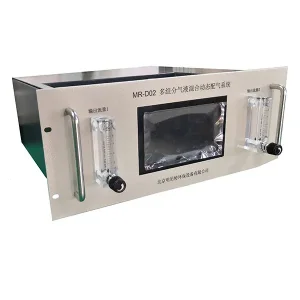
Enables complex calibration by vaporizing liquid components into gas streams, creating precise calibration mixtures for VOC analyzers.
Specially calibrated for extreme humidity profiles, tracking dozens of toxic compounds in remote emergency response scenarios.
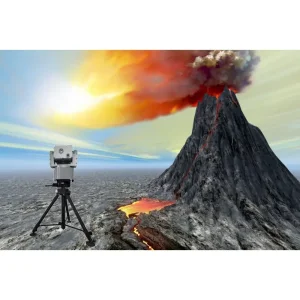
Designed specifically for long-term volcanic plume tracking, tracking SO2 concentration levels along island ridges.
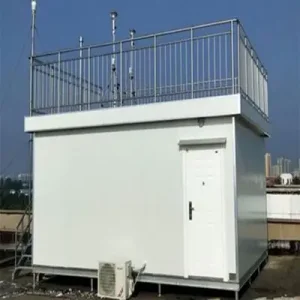
An automatic micro-station designed for first responders, tracking ambient levels of key atmospheric components during emergencies.