 Airppb
Airppb
Airppb
Chittagong's localized high-precision gas mixing, dynamic distribution, and target ambient analyzer systems designed for heavy industrial limits.
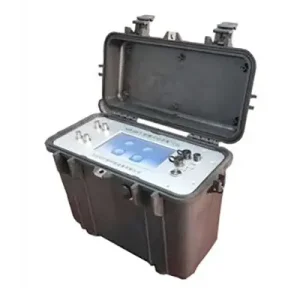
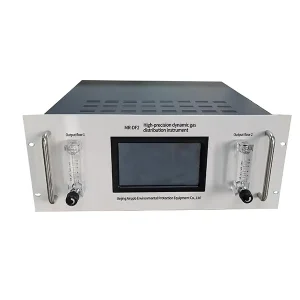
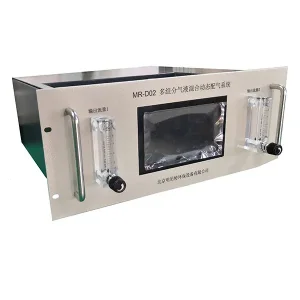
Chittagong (Chattogram), as the premier maritime gateway and commercial powerhouse of Bangladesh, acts as the nerve center for heavy manufacturing, shipbreaking, chemicals, and port activities. With the rapid expansion of the Chittagong Export Processing Zone (CEPZ), Karnaphuli Industrial Area, and massive shipbreaking yards along the Sitakunda coast, the demand for precise gas analysis, emission verification, and occupational safety instrumentation has skyrocketed. In an area vulnerable to environmental risks, the deployment of reliable telemetry systems and dynamic gas distribution instruments is no longer optional—it is a critical operational mandate.
Chittagong's heavy concentration of fertilizer factories (such as KAFCO and CUFL), steel mills, and oil refineries generates complex chemical streams. Dynamic gas detectors protect personnel from VOCs, ammonia leaks, and combustible mixtures.
International maritime guidelines (MARPOL) and strict occupational health requirements demand traceable gas calibration. Standard gas mixtures must be dynamically prepared on-site to ensure optimal sensor performance.
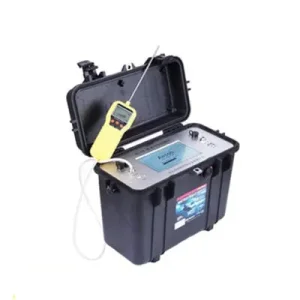
Gas detectors rely heavily on regular calibration. In high-temperature, humid coastal environments like Chittagong, pre-mixed gas cylinders suffer from wall-adsorption losses and concentration drift. Dynamic dilution technology (such as the MR-DF2 and MR-DF3 systems) solves this challenge by mixing pure gases or high-concentration stock gases with diluents in real time. This ensures that response systems, ambient air quality monitors, and electrochemical detectors are calibrated against reliable, highly accurate reference concentrations.
Operating out of advanced technological hubs in Beijing, Beijing Airpbb Environmental Protection Equipment Co., Ltd. integrates state-of-the-art gas-sensing technologies (including Electrochemical, PID, and Spectroscopy) with highly optimized manufacturing processes.
By dedicating 60% of our team to research and development, we bridge the gap between custom design requirements and high-volume production. This structure allows us to offer robust ODM and OEM services, delivering customized gas distribution panels, optical setups, and explosion-proof casings in a fraction of the time required by traditional suppliers.
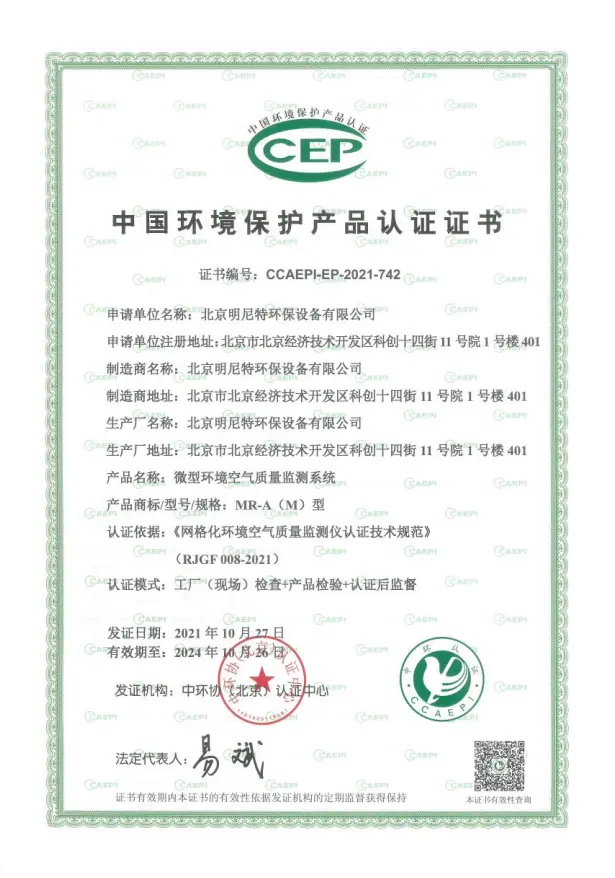
Our manufacturing workflow conforms to rigorous standards, including ISO9001, ISO14001, and ISO45001 certifications. We ensure that every system dispatched to major industrial zones like Chittagong meets national and international environmental guidelines, backed by verified CNAS/CMA testing protocols.
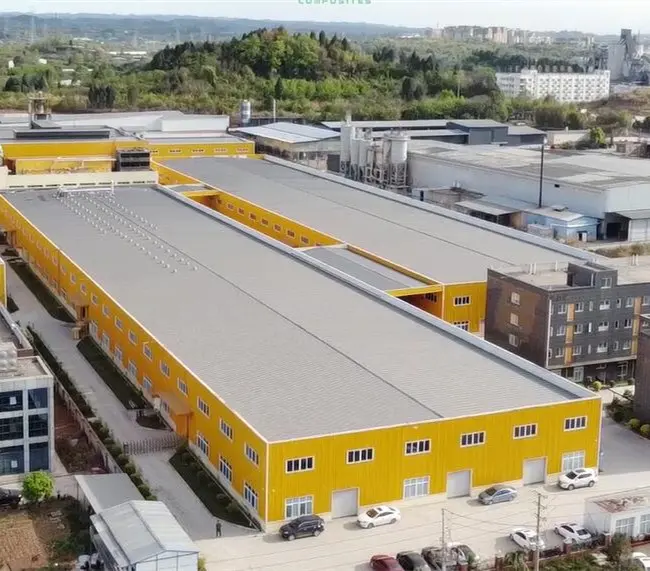

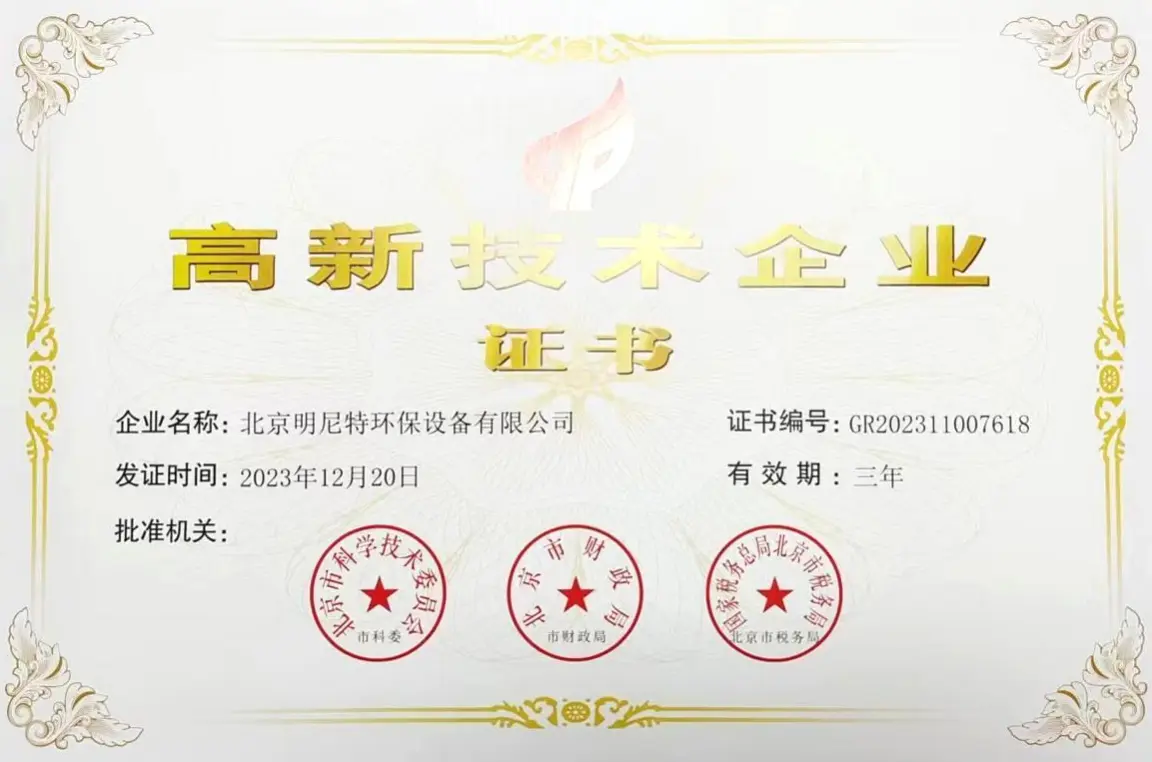
Minnit(Airppb) is a national high-tech enterprise focusing on the research, development, and industrialized application of precision gas detection instruments. By leveraging technological innovation, we deliver on-site, automated, and intelligent analysis and monitoring systems, with the goal of becoming a global leader in scientific instrumentation.
We have developed a comprehensive suite of gas analysis and detection technologies across electrochemistry, photoionization detection (PID), and optical spectroscopy. Our diverse product portfolio spans laboratory, portable, online, and mobile monitoring solutions. These setups provide dependable gas analysis for advanced manufacturing, environmental safety, and emergency response applications worldwide.
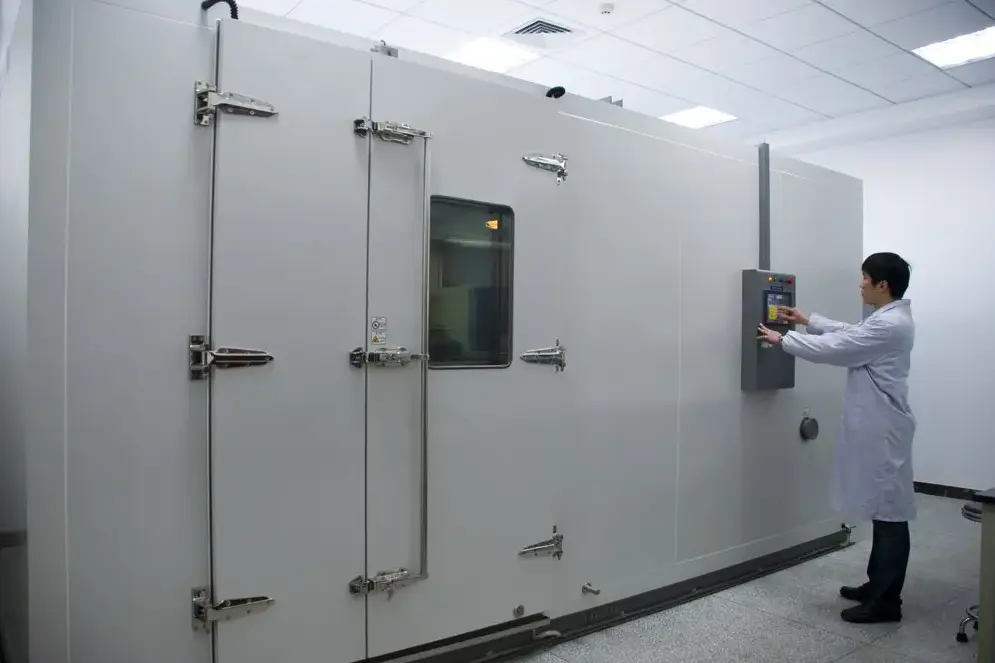
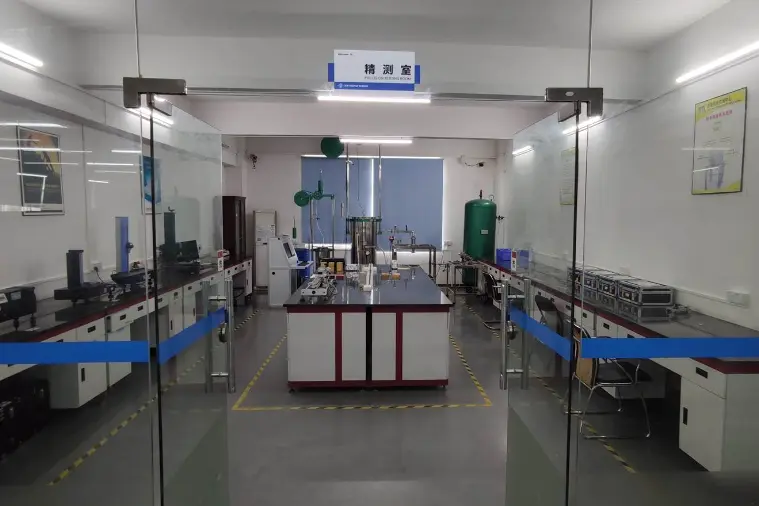
Our design and manufacturing protocols align with global industrial standards, ensuring precision and safety.
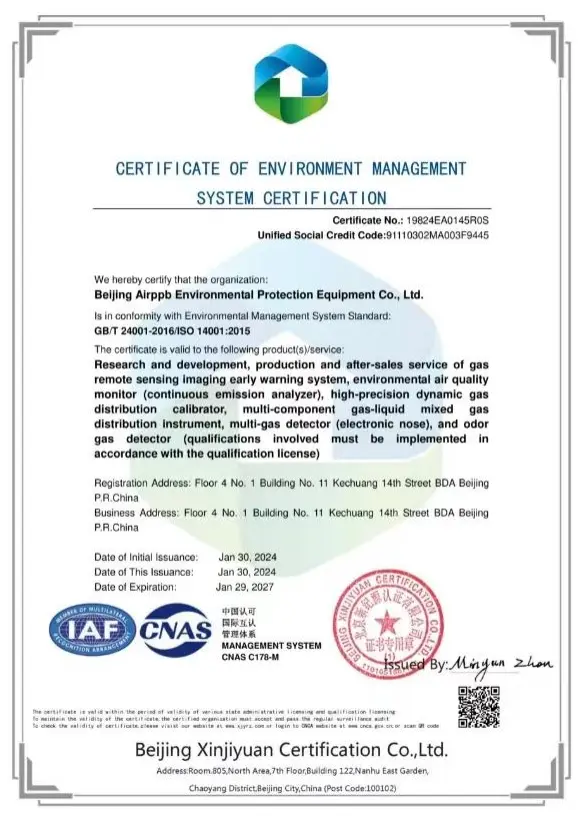
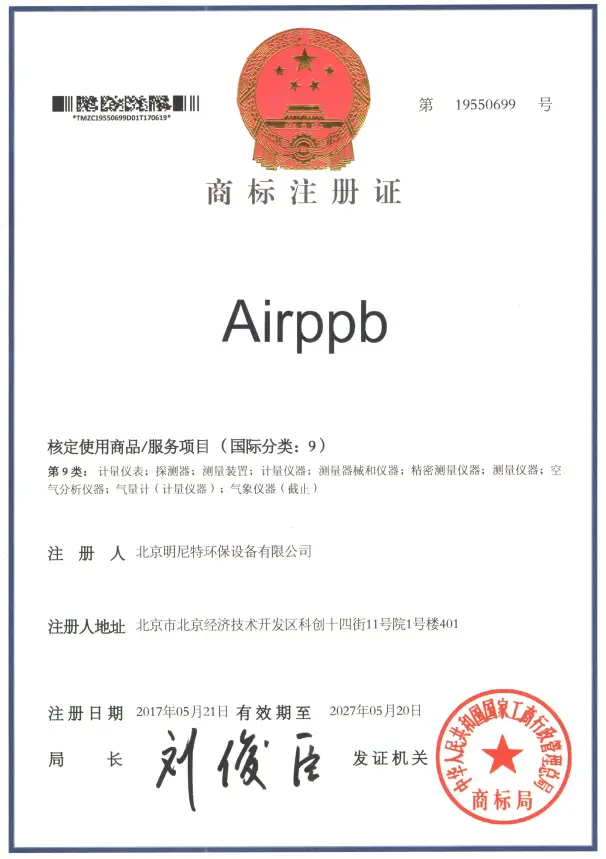
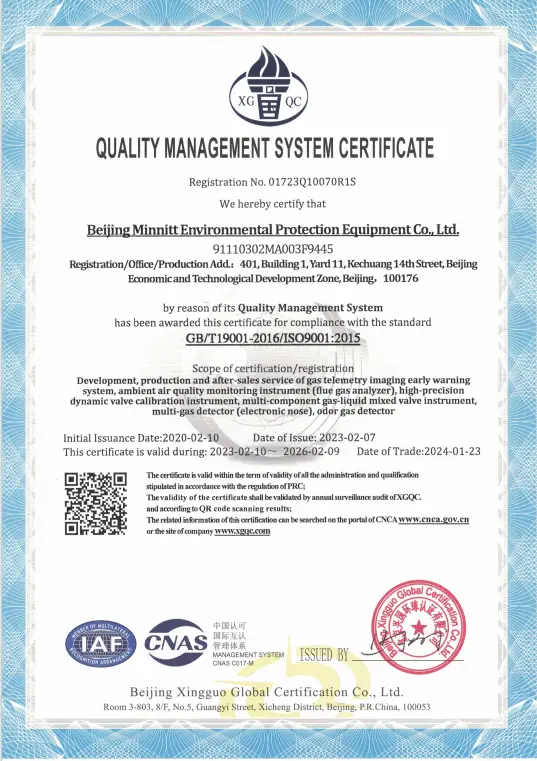
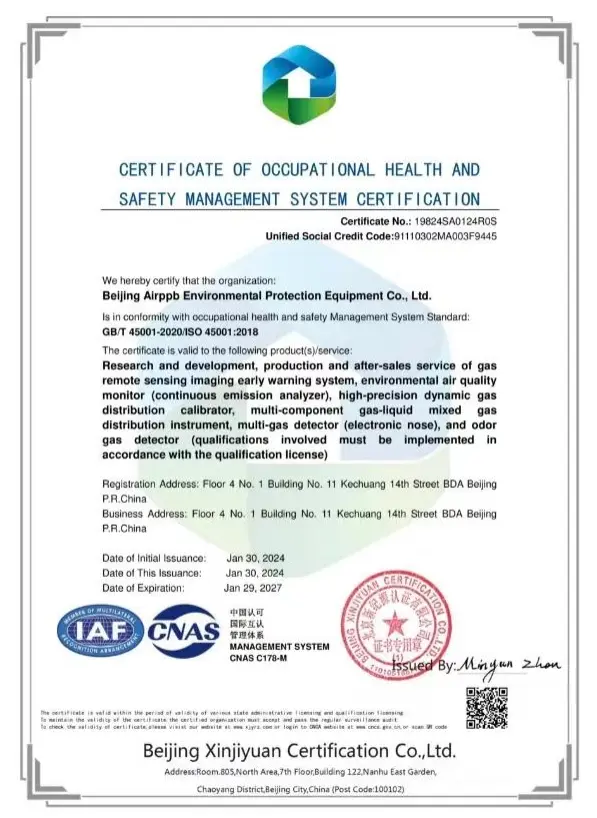
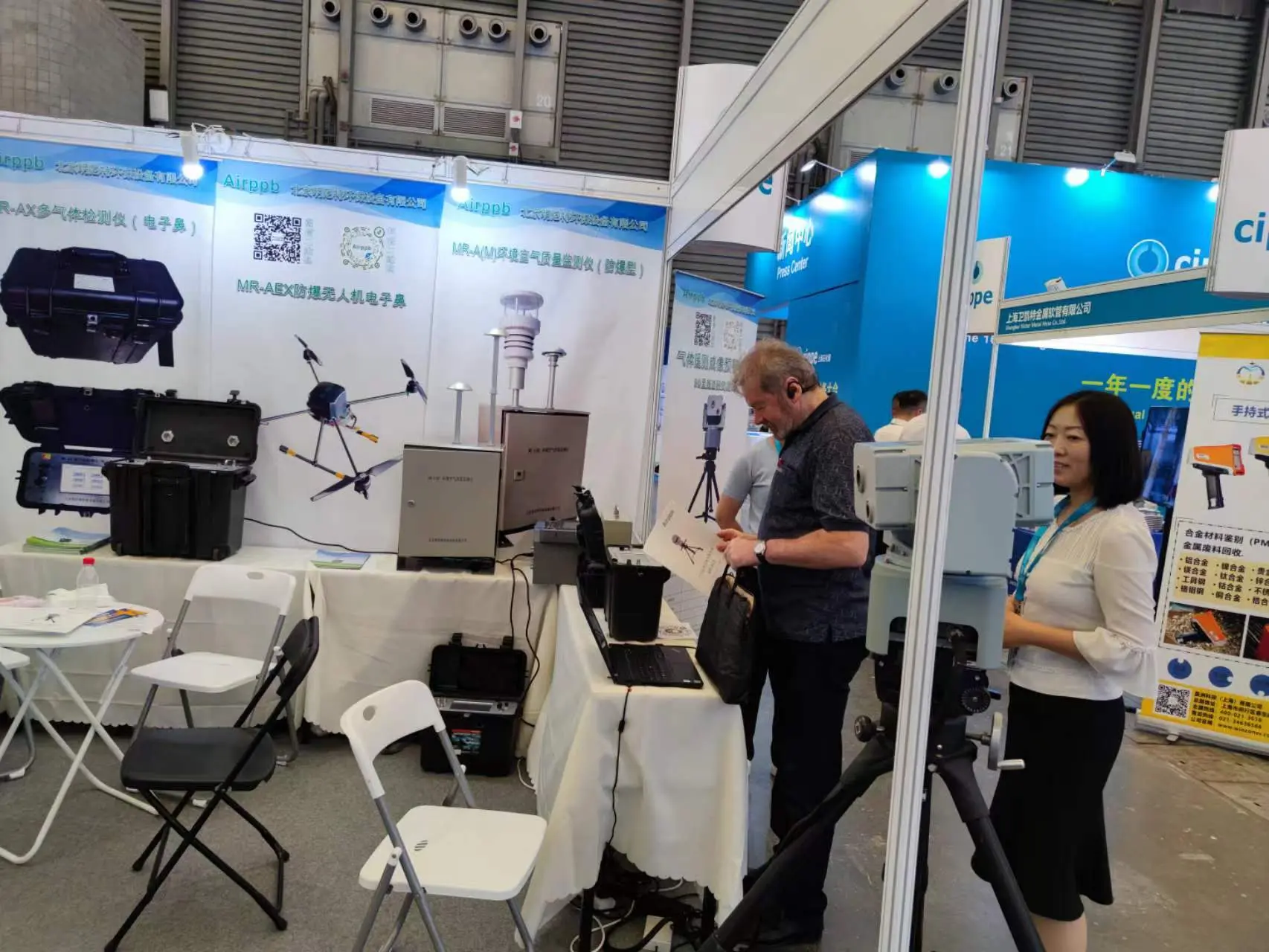
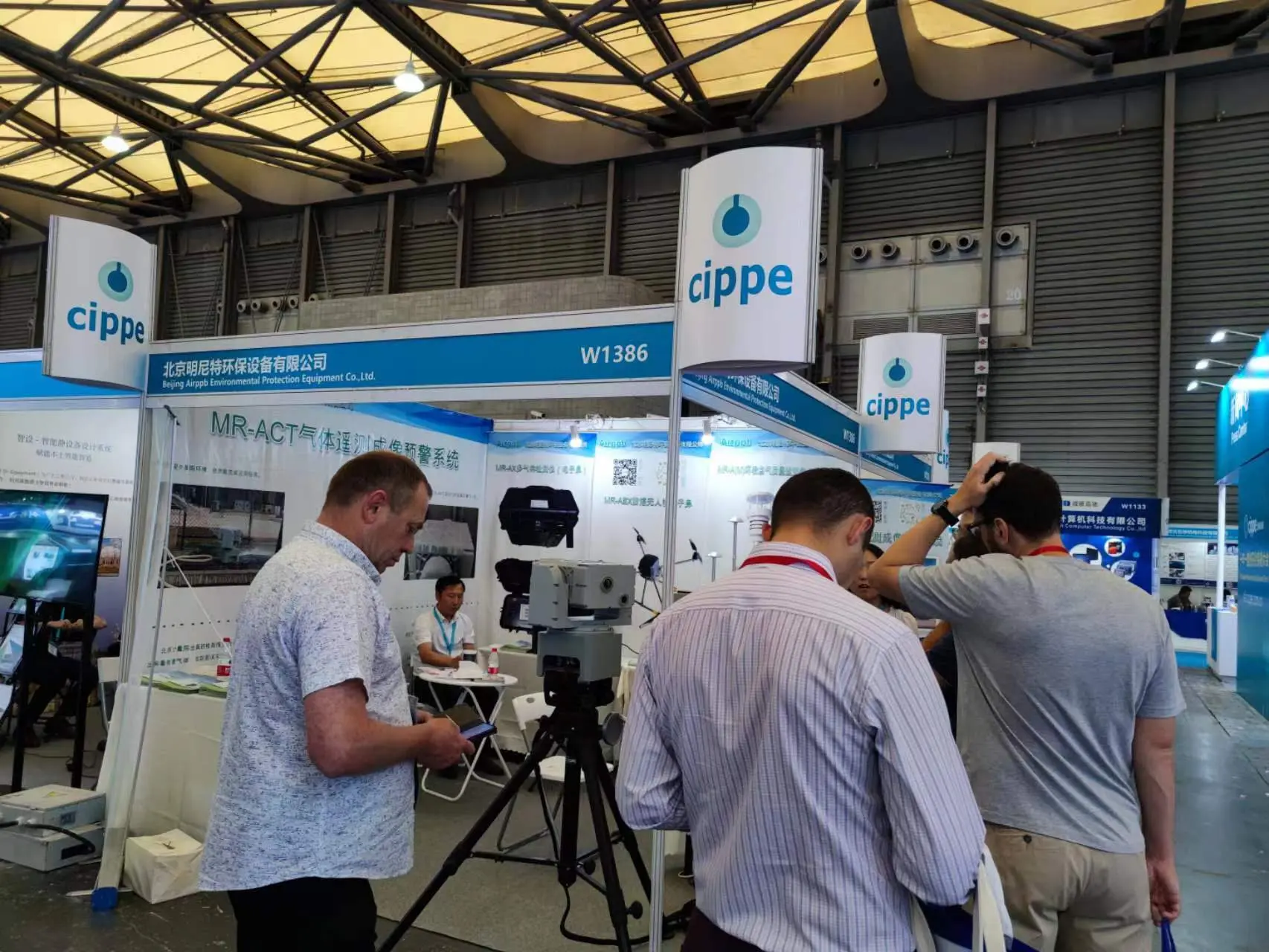
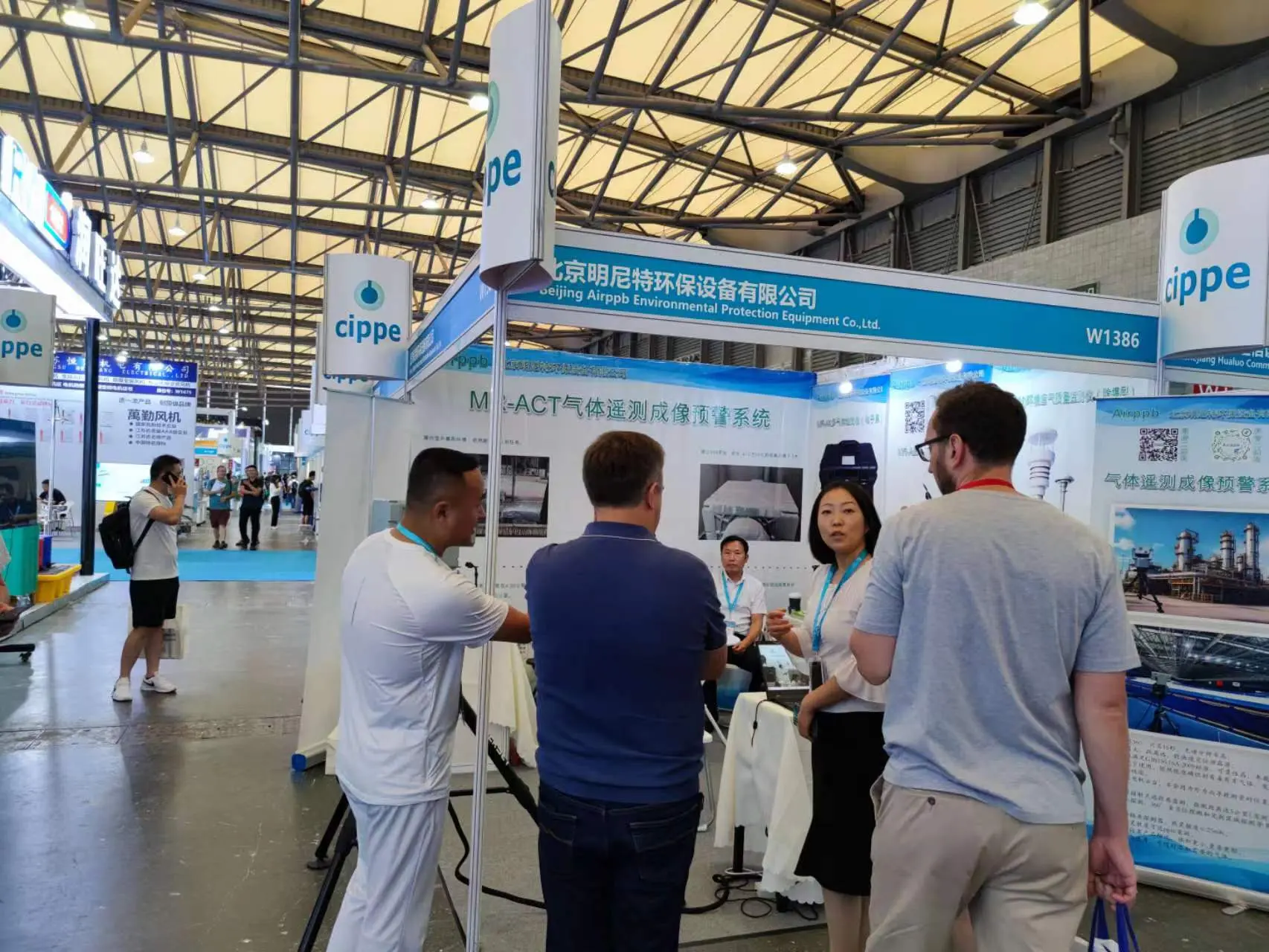
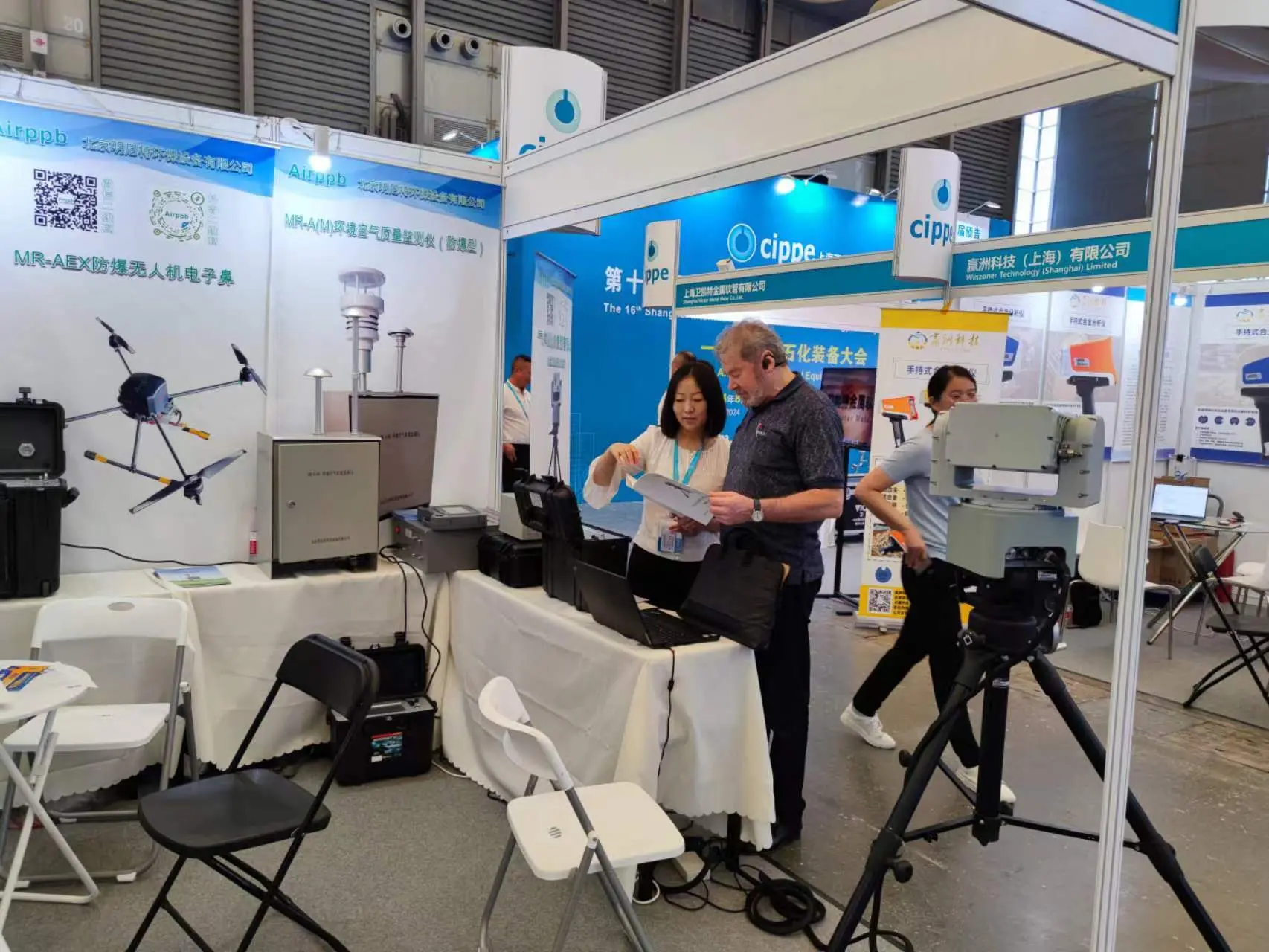
Engaging with industry experts worldwide to advance gas safety technology.

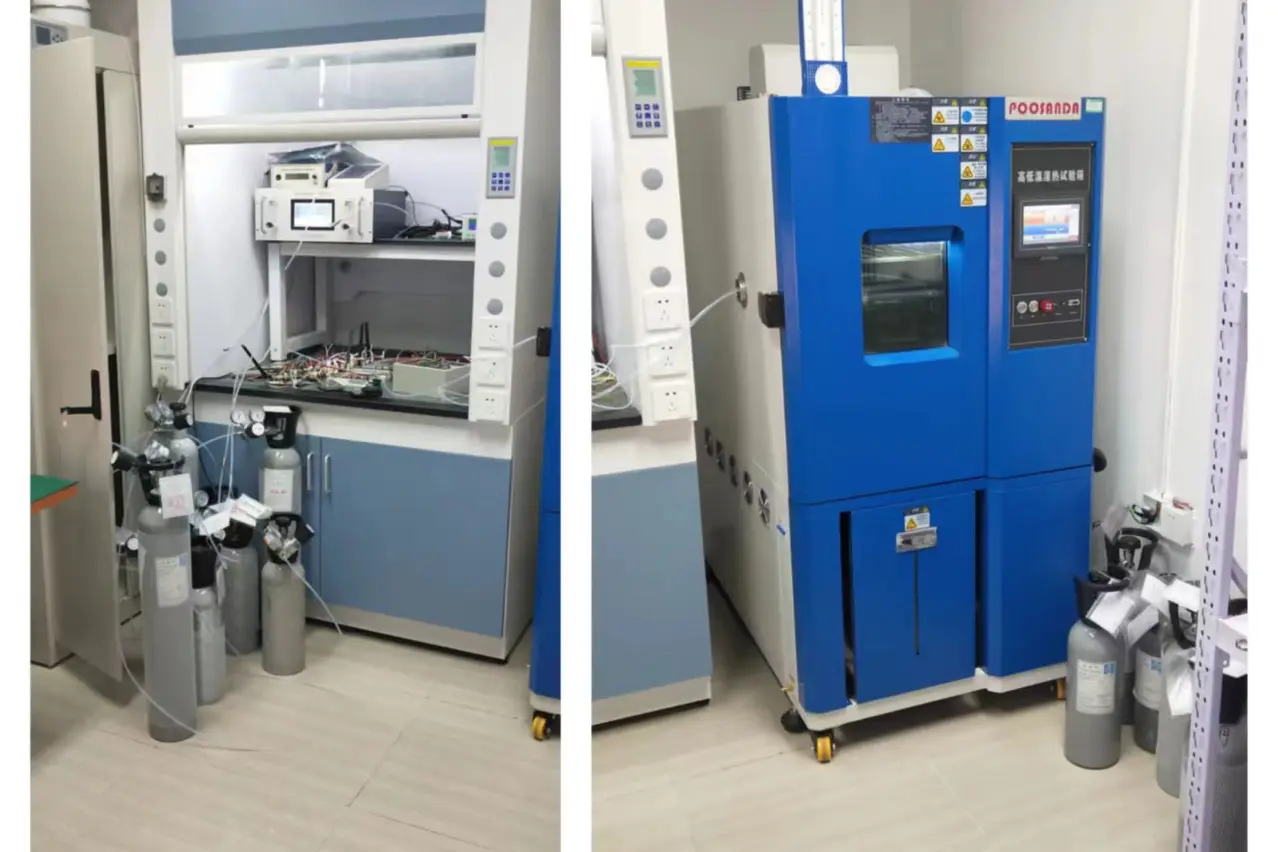
We design, develop, and deliver tailored gas monitoring systems built for complex operations. From custom components to fully integrated telemetry platforms, our goal is to simplify industrial safety management.
Supporting customized configurations to help clients deploy gas analysis equipment globally.
Continuous innovation in optical, chemical, and mass-flow gas sensing systems.

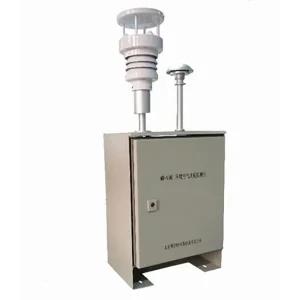
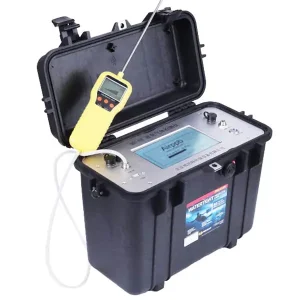
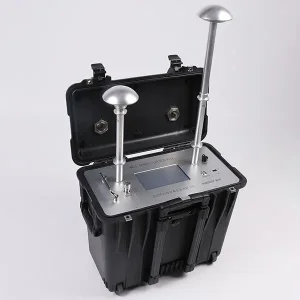
High-performance FTIR telemetry, portable air monitors, and rapid identification systems deployed in maritime, firefighting, and industrial environments.
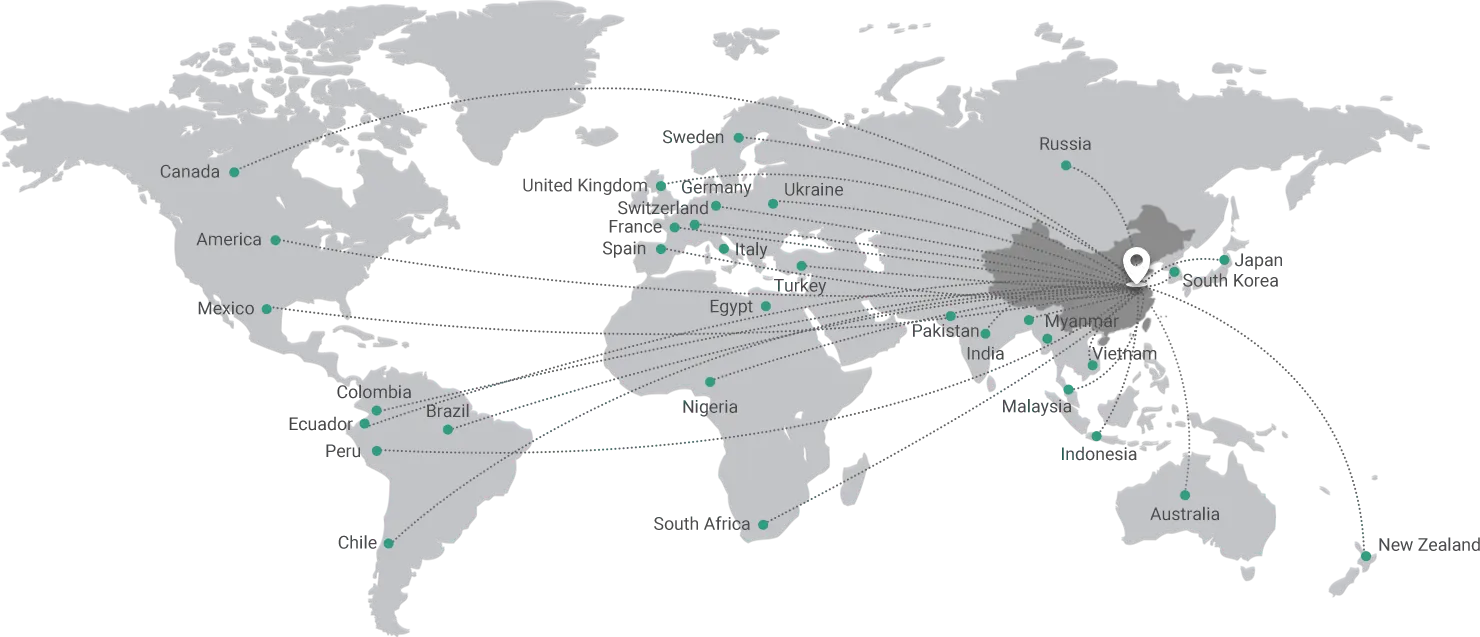
Our instrumentation is deployed across more than 40 countries, providing real-time calibration and monitoring solutions in marine, petrochemical, and defense installations.
Technical answers regarding dynamic gas calibration, telemetry limits, and deployment challenges in coastal industrial hubs.
Static gas cylinders containing reactive gases (such as H2S, SO2, or NO2) degrade over time due to absorption on the inner walls. A dynamic gas distribution instrument (like the MR-DF2 or MR-DF3) uses mass flow controllers to dilute concentrated target gases with an inert carrier (typically Nitrogen or Zero Air) in real time. This ensures calibration standards remain accurate, stable, and highly repeatable.
High moisture and salt particles can damage standard electrochemical and optical sensors. Our systems utilize specialized filtration membranes, temperature-controlled sample chambers, and corrosion-resistant enclosures. These features prevent condensation inside the optical paths and keep electrochemical electrodes stable under challenging coastal conditions.
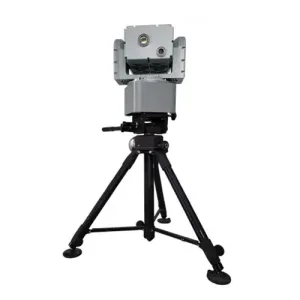
The MR-FAT Fourier Transform Infrared Telemeter is designed for open-path monitoring. It detects chemical clouds, VOCs, greenhouse gases, and hazardous emissions over long distances (typically from 100 meters to several kilometers). This system calculates absorption profiles across a wide infrared spectrum to identify and quantify multiple gases simultaneously.
Yes, the MR-AX Odor Gas Detector combines sensor arrays with advanced pattern recognition algorithms. By assessing cross-sensitivities across multiple electrochemical and semiconductor sensors, it can distinguish and quantify complex odor concentrations (measured in OU_m/m³), such as those from sewage treatment, industrial processes, and organic waste.
We provide remote calibration support, custom software configuration, and on-site deployment assistance for international partners. We supply clear technical manuals and verification sheets to help users maintain compliance with local environmental guidelines and safety audits.
Whether you require custom calibration setups, portable analyzers, or open-path optical systems for Chittagong's industrial zones, our engineering team can help configure the right solution.