 Airppb
Airppb
Airppb
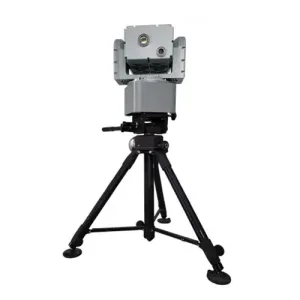
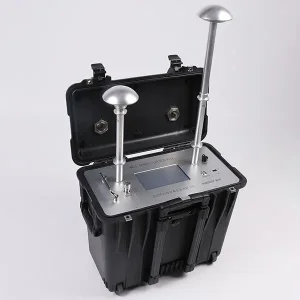
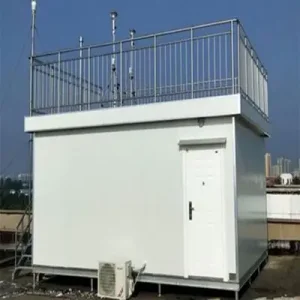
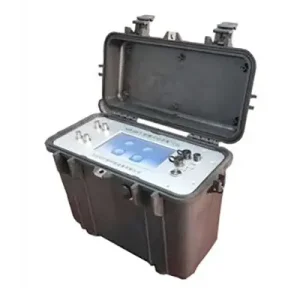
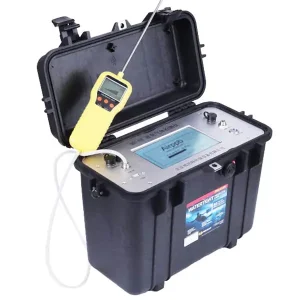
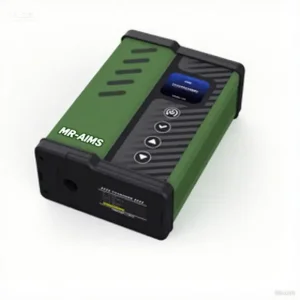
Engineered for high accuracy and extreme environment capability, these units represent our primary deployments for Calgary's complex airsheds.
As Canada’s primary energy sector capital, Calgary and the wider Alberta province coordinate some of the most intensive oil, gas, petrochemical, and manufacturing operations globally. The unique meteorological dynamics of the Calgary basin—characterized by extreme seasonal temperature fluctuations, dry wind patterns, and geographical valley layouts—frequently lead to thermal atmospheric inversions that trap industrial emissions close to ground levels.
Consequently, municipal authorities and industrial entities operating here are subjected to strict surveillance rules. The Alberta Energy Regulator (AER) under Directive 060 mandates absolute transparency and rigorous quantification of flaring, venting, and fugitive hydrocarbon leakages. Simultaneously, localized air protection management systems, managed alongside the Calgary Region Airshed Zone (CRAZ), demand sub-ppb accuracy levels for criteria pollutants including Hydrogen Sulfide (H₂S), Sulfur Dioxide (SO₂), Volatile Organic Compounds (VOCs), and particulate matter (PM2.5 and PM10).
Meeting these standards requires more than off-the-shelf single-gas sensors. Our technology bridges the gap by employing advanced open-path FTIR telemetry, PID microstations, and real-time gas cloud imaging to give Calgary operators actionable environmental intelligence.

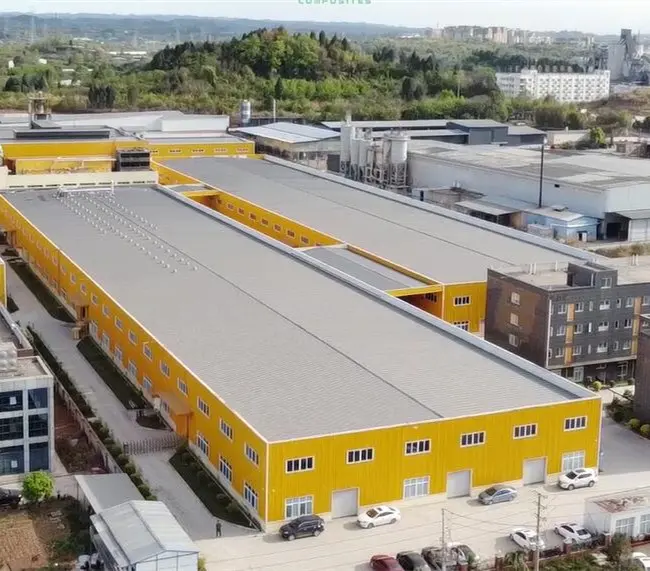
Minnit(Airppb) is a national high-tech enterprise focusing on the research and development and industrialized innovative application of precision gas detection instruments. The company uses technological innovation to realize on-site, automated and intelligent analysis, detection and monitoring, and is committed to becoming the world's leading manufacturer of scientific instruments.
We have mastered relatively complete gas analysis and detection technologies such as electrochemistry, PID, and spectroscopy, and developed laboratory Analysis, on-site analysis (portable, online, mobile), automated analysis and a series of technologically leading product portfolios provide global users with comprehensive and professional solutions in the fields of advanced industry, ecological environment emergency safety and other fields.
Established in 2012, our group company is committed to the development and production of Fourier infrared gas remote sensing imaging early warning systems, ambient air quality monitors, high-precision dynamic gas distribution meters, multi-gas emergency detectors, ambient air analysis, detection and other related instruments and OEM/ODM various gas detectors; the company has a number of intellectual property rights.
Our production strictly conforms to the highest standards, maintaining ISO9001 Quality Management System Certification, ISO14001 Environmental Management System Certification, and ISO45001 Occupational Health and Safety Management System Certification. Additionally, our products carry certifications from relevant regulatory bodies, including CPA, CCEP, and CNAS/CMA testing reports, guaranteeing structural integrity and reliable field operation.
Our production and engineering processes are independently verified for occupational safety, environmental management, and measurement validation.
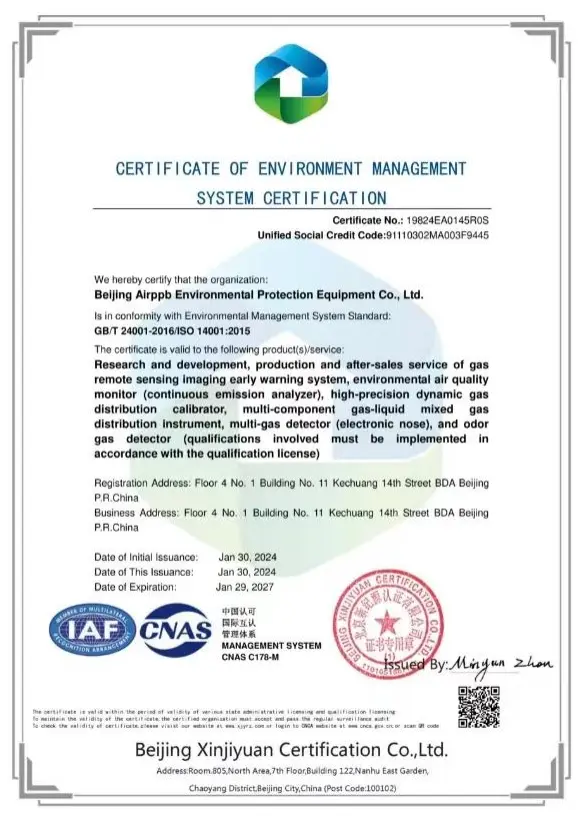
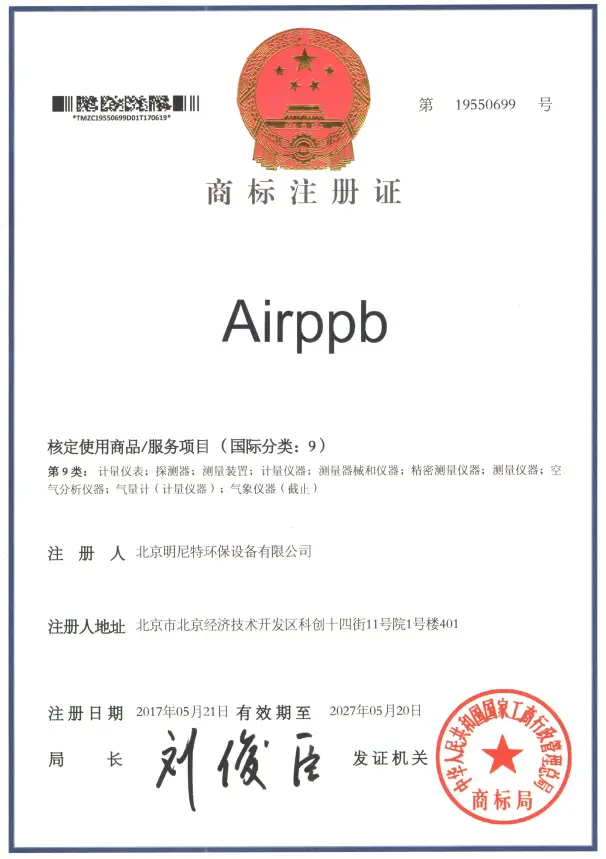
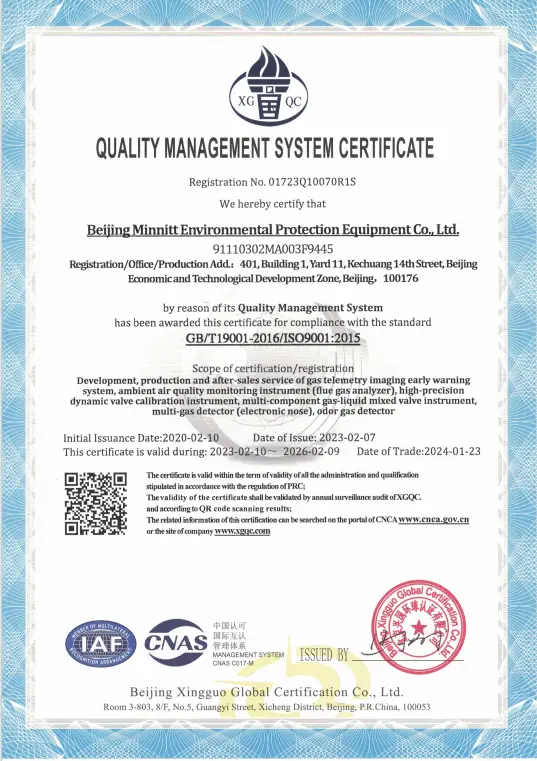
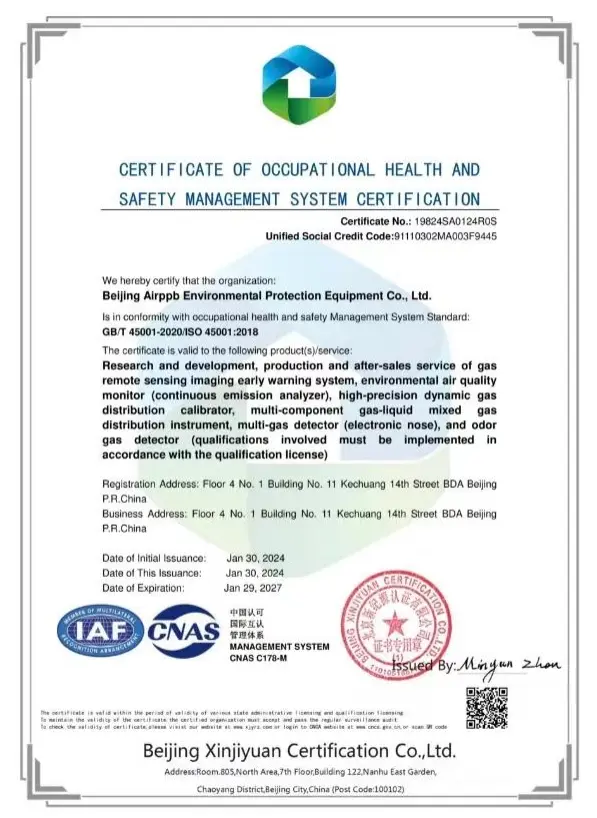
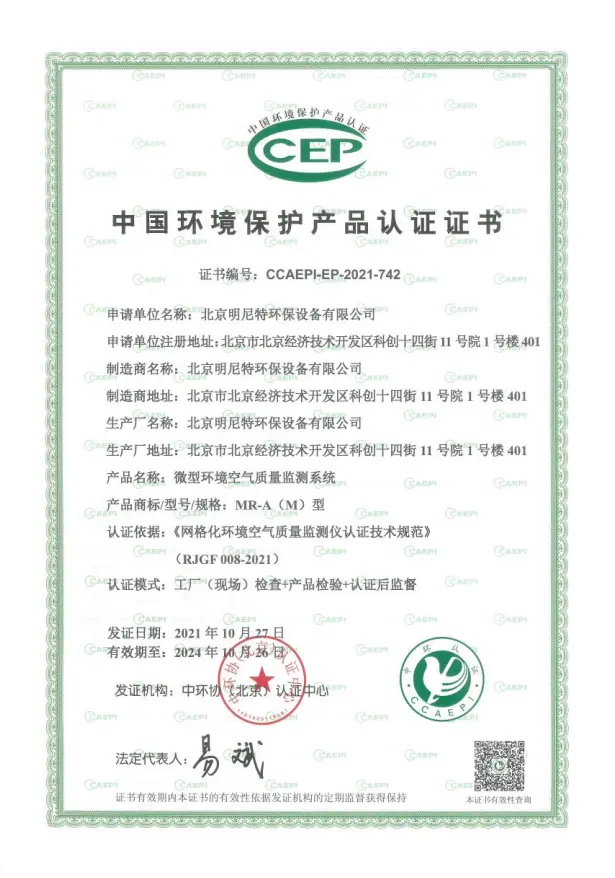
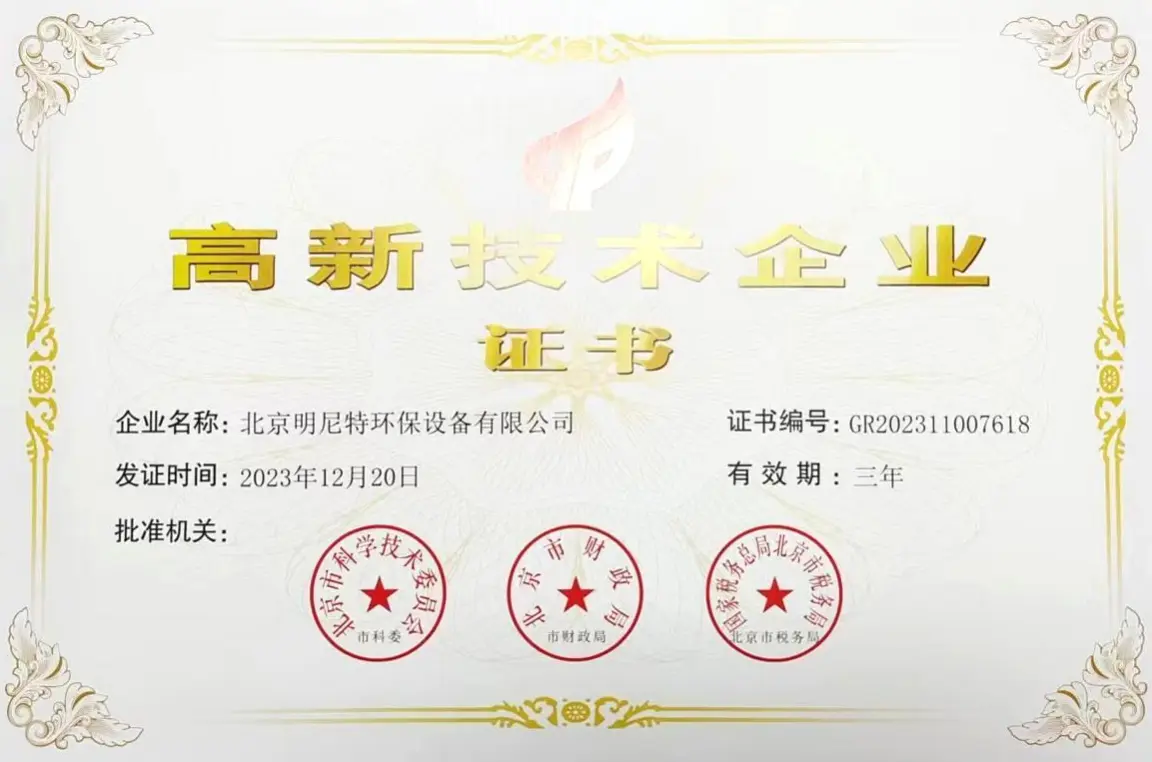

Combining world-class manufacturing scale with local technical compliance for maximum efficiency.
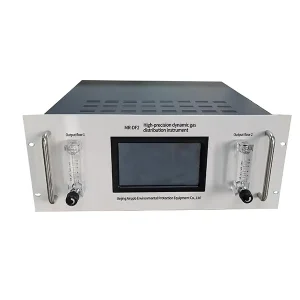
Our Beijing manufacturing facility contains state-of-the-art metrology environments where instruments are calibrated using dynamic multi-gas dilutors. We generate NIST-traceable concentrations down to parts-per-trillion levels, guaranteeing that our environmental stations retain calibration linearity under fluctuating extreme low temperatures (-40°C in Alberta winters).
By leveraging Chinese industrial clusters for optoelectronic components, mechanical assembly, and high-frequency PCBs, we reduce total capital expenditure (CapEx) for plant retrofitting by up to 35% compared to local North American sensor system builders, while maintaining equal or superior physical specifications.
Our supply chain logistics include expedited shipping routes direct to Calgary industrial parks. Furthermore, our systems feature modular configurations, ensuring that replacement sensors and gas detection components can be hot-swapped by field personnel quickly and with minimal training.
From refinery perimeter fencelines to emergency municipal fire air grids, our systems are optimized for western Canada's key operational challenges.
Continuous monitoring of methane (CH₄) and volatile organic compounds (VOCs) along pipeline paths and oil sand processing facilities. Instant alerts via cloud telemetry prevent regulatory breaches and localized leak expansion.
Calgary municipal zones routinely face particulate pollution from seasonal Rocky Mountain forest fires. Our micro-stations quantify PM2.5 and PM10 in real-time, providing immediate data feeds for city-wide emergency management systems.
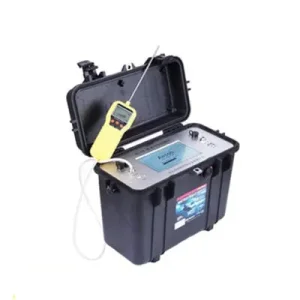
Utilizing high-performance Ion Mobility Spectrometry (IMS) and FTIR telemetry, our safety instrumentation identifies chemical anomalies instantly, protecting petrochemical plant staff in critical Class I Div 1 environments.
One-stop solution launched! For your needs, we carefully design with ingenuity to ensure that every link is accurate and efficient.
Tailored manufacturing programs, branding services, and software adaptation for global oil and safety distributors.
Our specialized R&D engineers account for 60% of our entire corporate division, driving continuous sensor innovations.
Every analyzer undergoes temperature-chamber performance tests, vibration analyses, and cross-sensitivity validation before dispatch.
Engineers ready to design specialized solutions and help with complex calibration questions or system integrations.



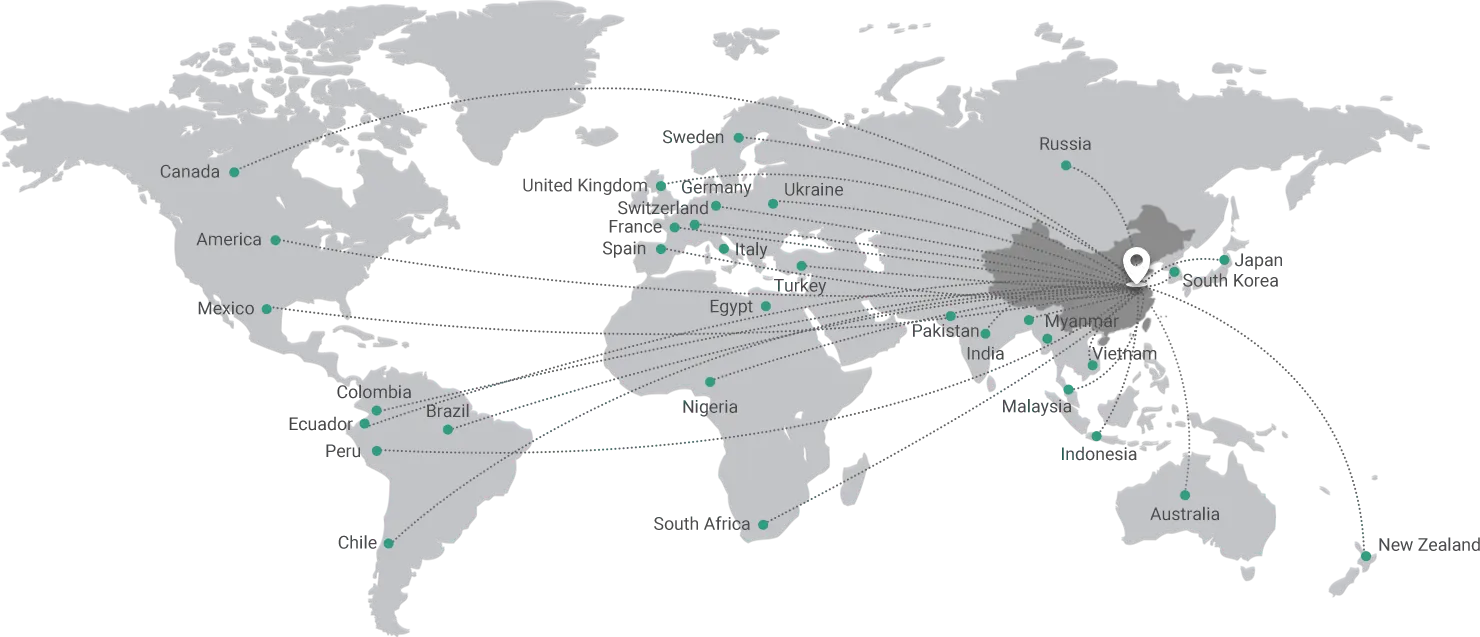
Through our dedicated distribution networks and project operations, Minnit (Airppb) has expanded its reach across the globe. Our industrial systems monitor atmospheres in highly challenging environments worldwide.
Our instruments have been successfully exported to over 40 countries and regions, establishing a solid footprint in key markets across Europe, Asia, the Middle East, and North America. We provide reliable compliance instrumentation to protect both workers and surrounding communities.
Interacting with global researchers and field users at international safety, environmental protection, and scientific instrument forums.
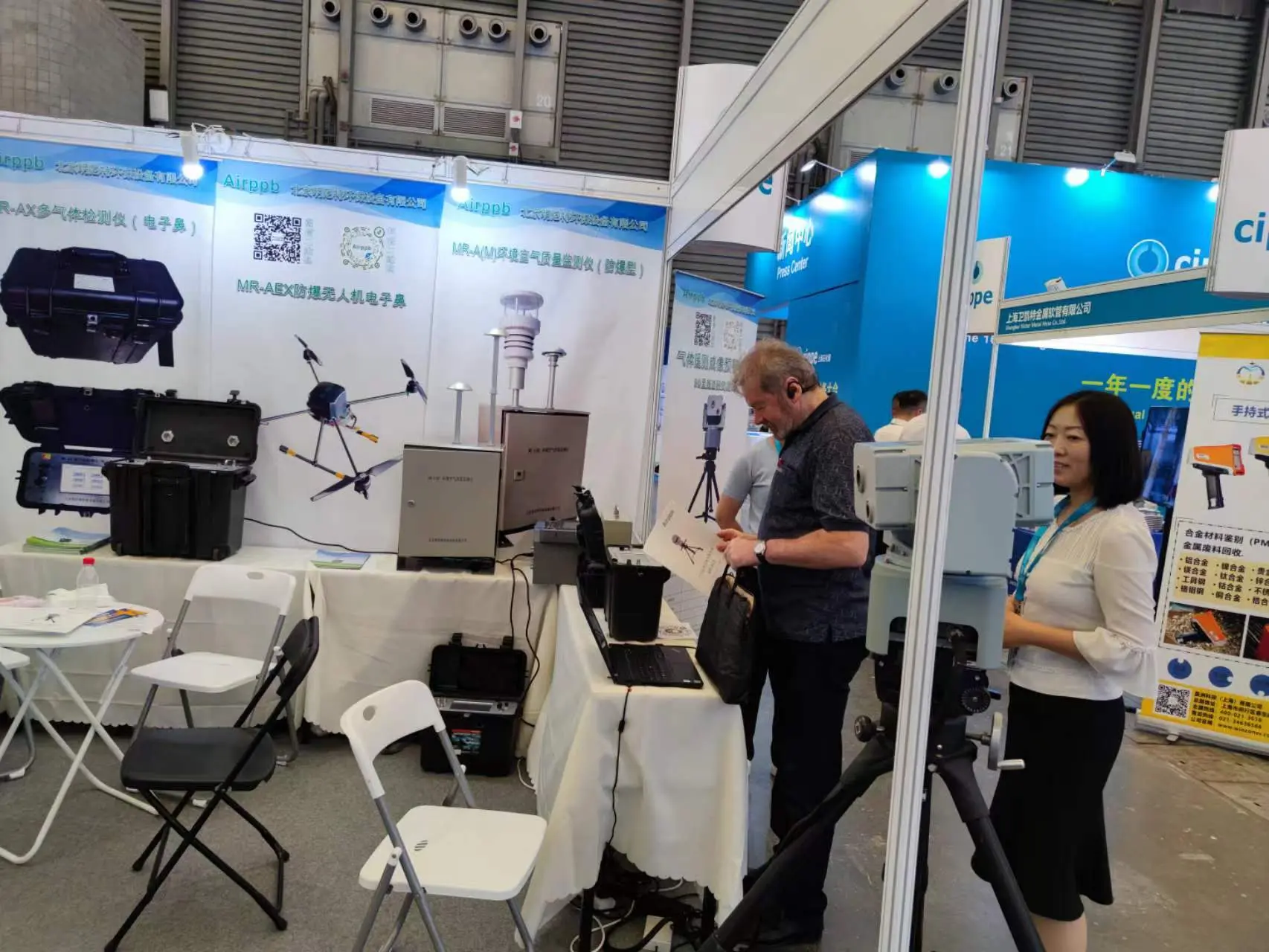
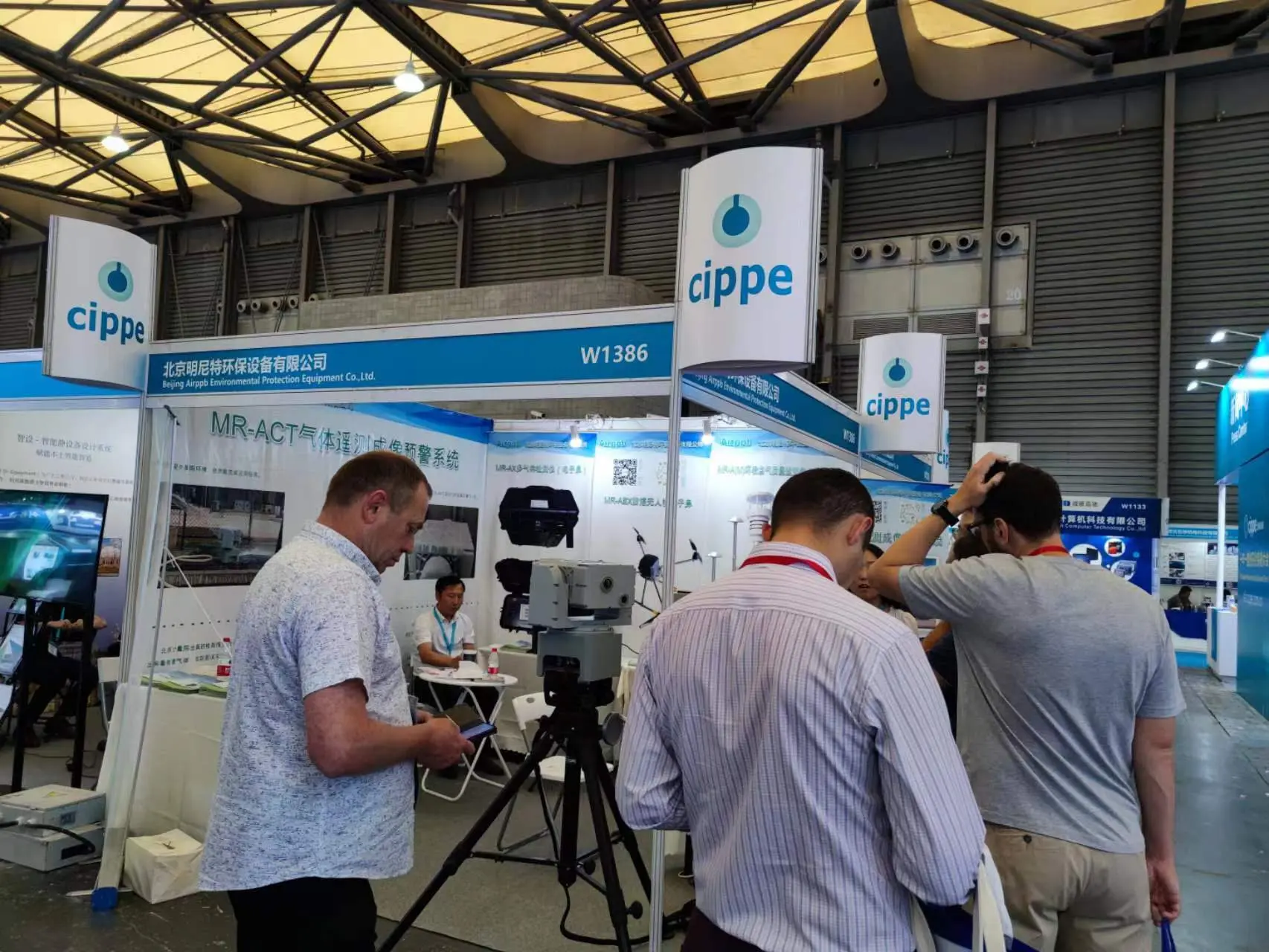
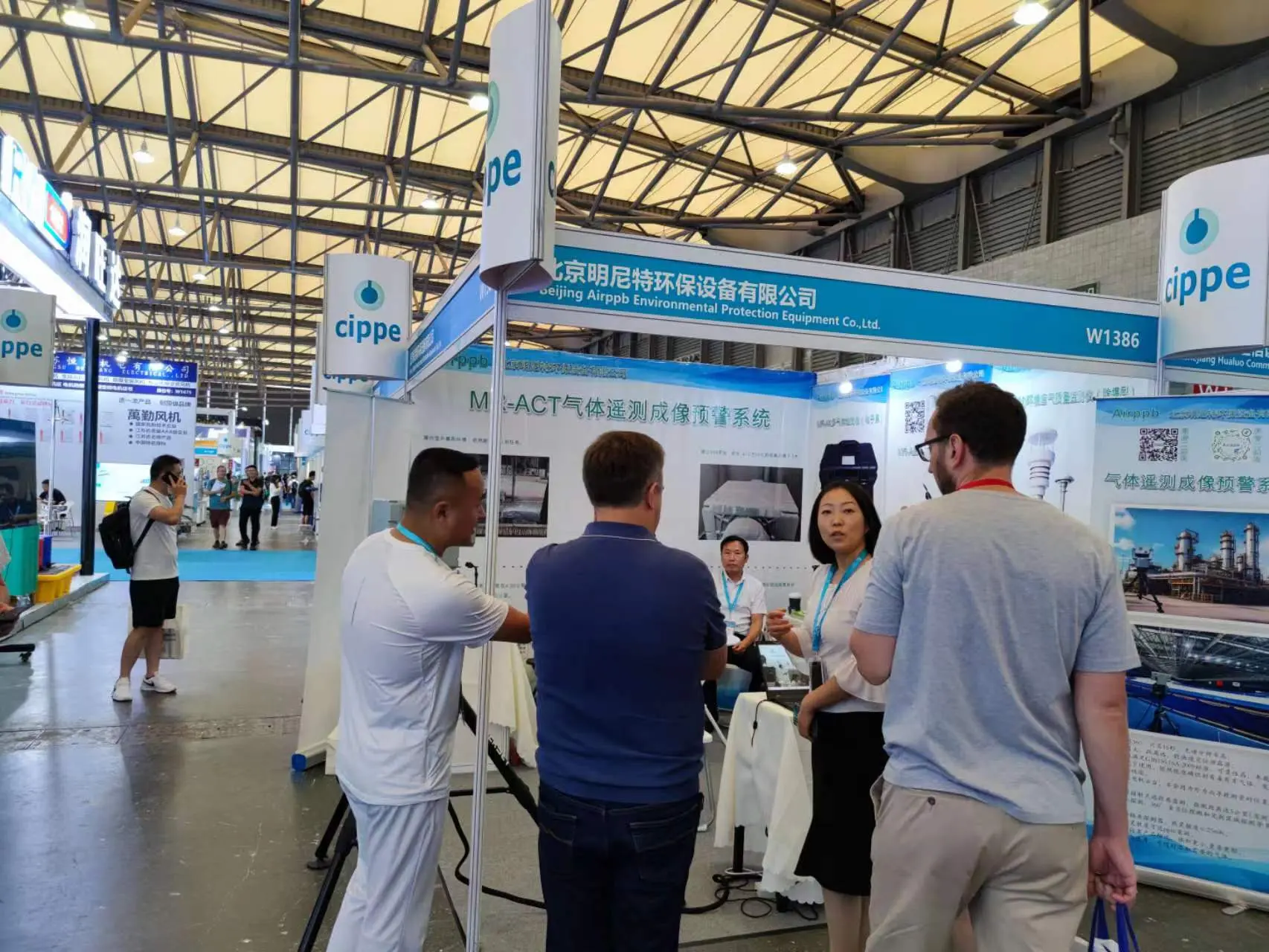
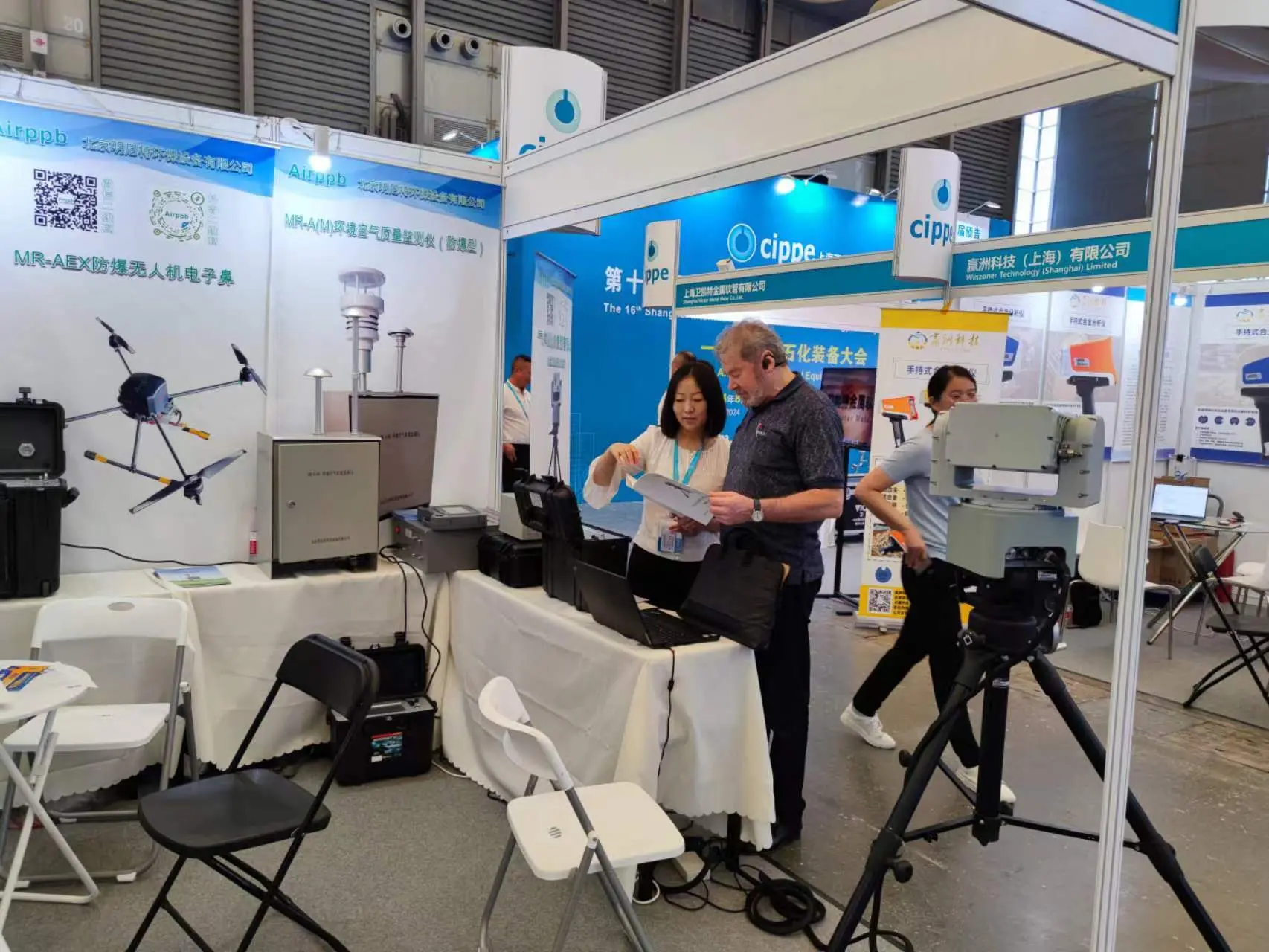

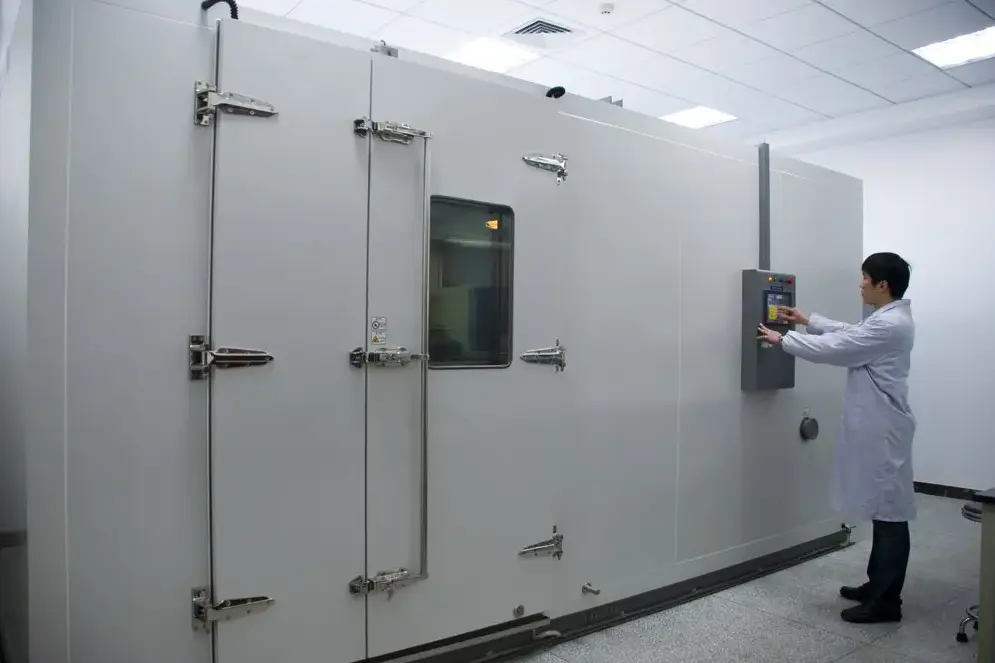
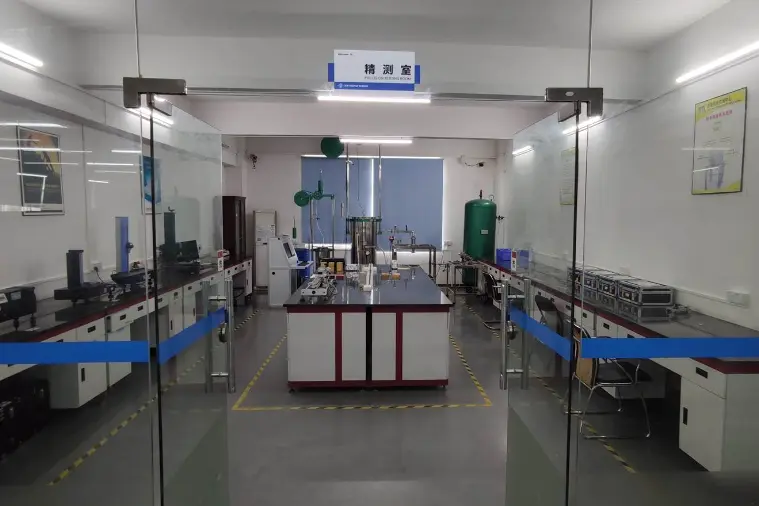
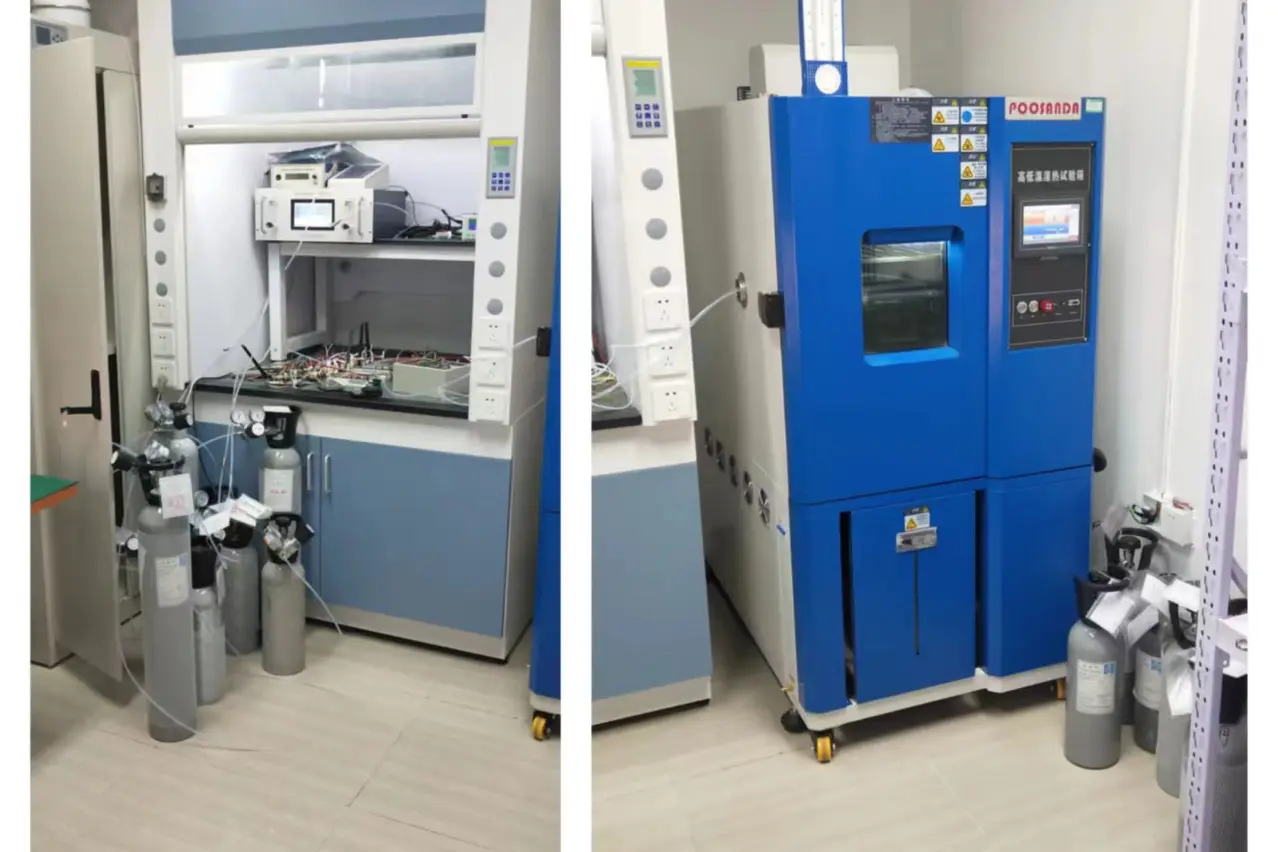
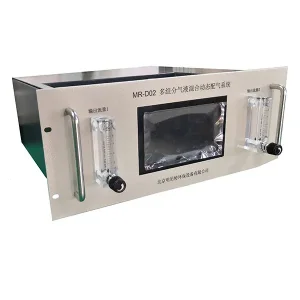
A comprehensive range of high-precision dynamic calibrators, remote path FTIR sensors, and multi-gas identifiers for field operations.
How open-path spectrometry and dynamic microstations are altering the paradigm of pollution mapping.
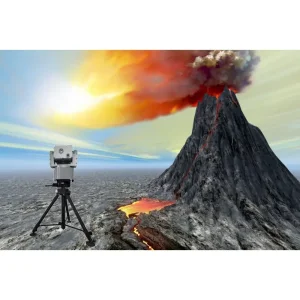
Classical point sensors rely on gas diffusing directly into the sensor chamber, which limits their effectiveness for detecting leaks or gas clouds in large open areas. In contrast, our open-path FTIR telemetry systems (like the MR-FAT series) project an infrared beam over distances up to 500 meters.
By analyzing the absorption spectrum along this path, the device identifies and measures dozens of organic and inorganic compounds simultaneously. This technique is well suited for refinery fenceline monitoring in areas like the industrial heartland near Edmonton and the refinery sectors in Calgary.
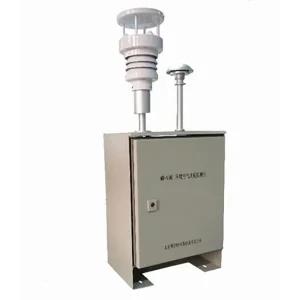
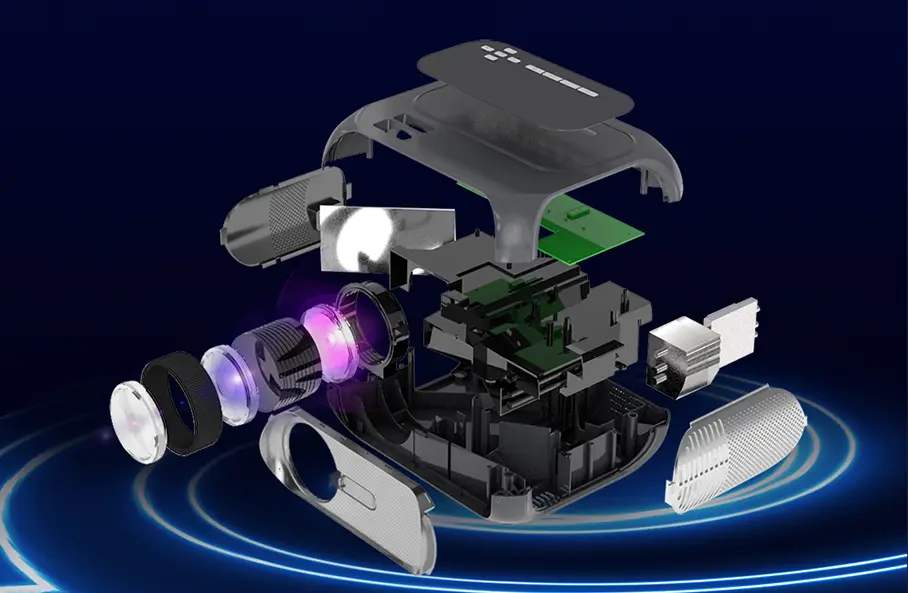
Relying on a single government-run regional monitoring station often misses localized gas leaks or short-term pollution peaks. Our MR-A(M) Micro Air Stations offer a cost-effective alternative, allowing operators to deploy multiple units across a site.
Equipped with PID and electrochemical sensors, these units transmit data to a centralized cloud platform. The platform uses dispersion models (such as AERMOD) to map emission paths and pinpoint sources in real time.
Our environmental stations are calibrated to target specific industrial emissions common to Alberta:
Technical guidance on regulatory compliance, low-temperature performance, and optical sensor calibration for operators in Western Canada.