 Airppb
Airppb
Airppb
Advanced electrochemical, PID, optical telemetry, and dynamic gas distribution instruments engineered for high-precision safety and compliance.
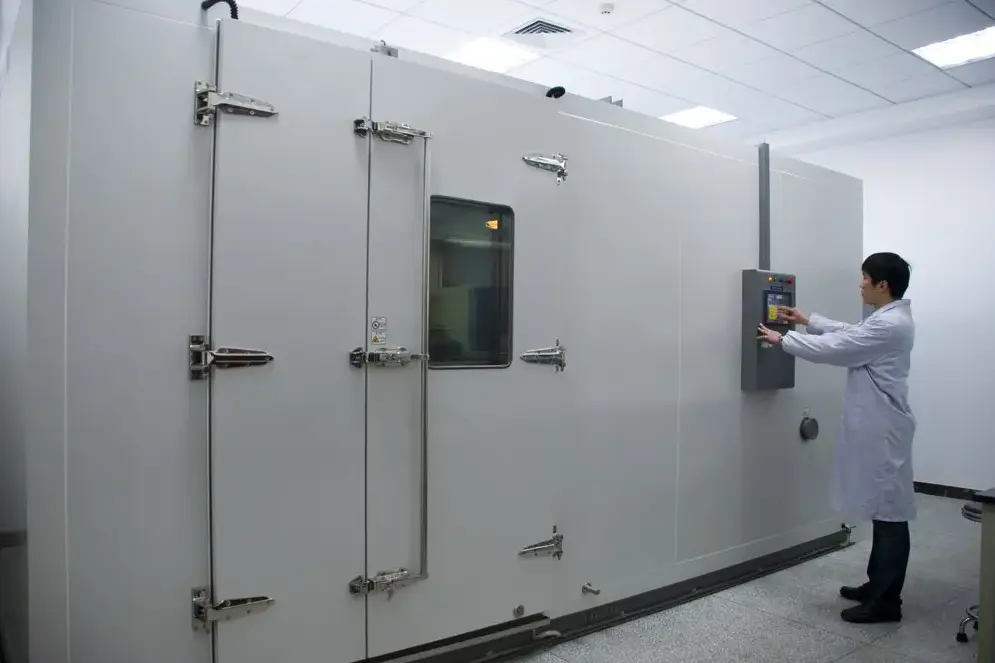
Russia encompasses some of the world's most extensive pipeline networks, metallurgical refining installations, and petrochemical complexes. Many of these industrial ecosystems operate under severe sub-zero temperatures (ranging from -40°C down to -60°C in regions such as Siberia and the Yamal Peninsula). In these high-latitude environments, regular instrumentation suffers from critical functional degradation: liquid-state sensor components freeze, battery chemistry yields minimal power output, and physical calibration shifts dynamically due to high thermal fluctuation.
Consequently, local oil and gas operators, emergency command authorities, and national regulatory bodies prioritize instruments designed with robust thermodynamic insulation, solid-state optical sensing, and high-precision calibration setups. Rapid identification of leaks and multi-gas composition is not merely a compliance requirement—it is structural insurance against catastrophic infrastructure collapse.

A national high-tech enterprise focusing on the research, development, and industrialized innovative application of precision gas detection instruments.
Minnit (Airpbb), operating via Beijing Airpbb Environmental Protection Equipment Co., Ltd., implements technological innovation to achieve on-site, automated, and intelligent analysis, detection, and monitoring. The company has mastered comprehensive core technologies in Electrochemistry, Photoionization Detection (PID), and Spectroscopy (including Fourier Transform Infrared [FTIR] remote sensing and Ion Mobility Spectrometry [IMS]).
Developing laboratory, on-site, mobile, and automated analysis solutions, Minnit provides global safety, research, defense, and industrial clients with robust systems. Our quality management practices strictly adhere to the rigorous protocols of ISO9001, ISO14001, and ISO45001 certification standards.
How portable chemical identifiers, remote telemetry systems, and ambient stations operate across crucial sectors.
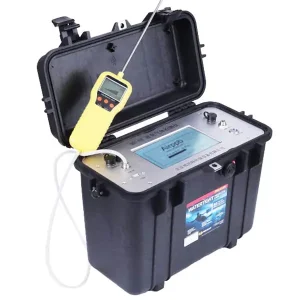
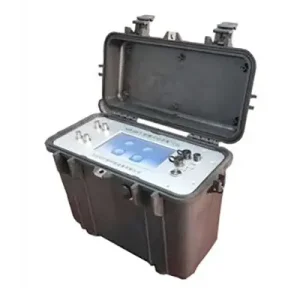
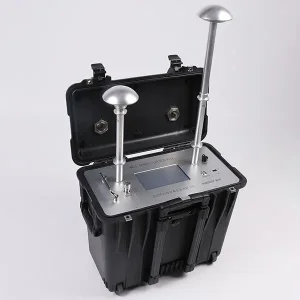
Continuous ambient monitoring and leak detection at refineries, storage farms, and transport routes. Portable systems enable rapid response to VOCs and toxic chemical leaks, guaranteeing safety for operators on-site.
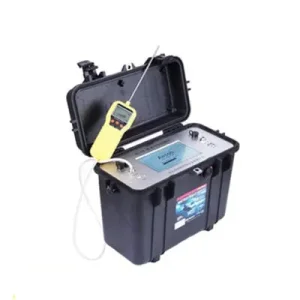
Odor identification detectors and handheld IMS chemical identifiers deliver instantaneous classification of volatile hazard classes, ensuring firefighters approach post-explosion and chemical spill areas with accurate data.
Tactical dynamic gas distribution and multi-gas compound analyzers equipped to trace chemical agents, volatile organic pollutants, and hazardous fumes under high-stress fields and dynamic operations.
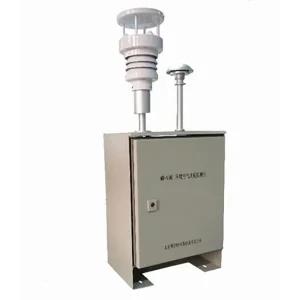
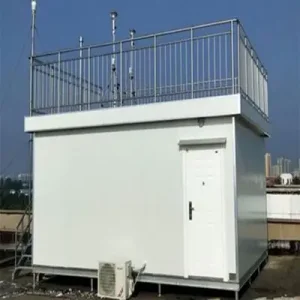
Micro-ambient air quality monitors (fixed and mobile stations) supply environmental bureaus with real-time PM2.5, PM10, SO2, NOx, CO, O3, and VOC data points to fulfill regulatory limits.
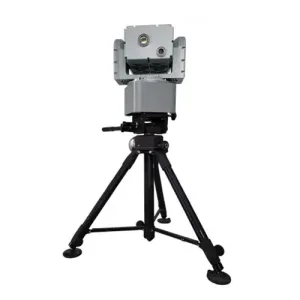
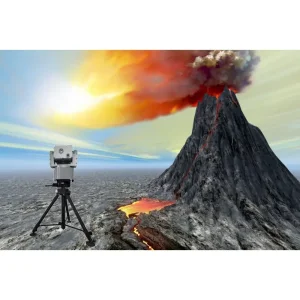
Long-range optical telemetry arrays capture remote volcanic gas emissions and geological gas outflows, minimizing risk to vulcanologists and monitoring environmental shifts.
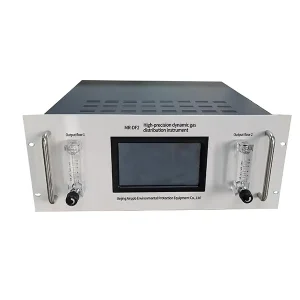
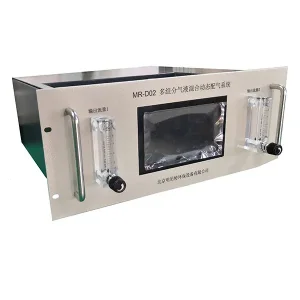
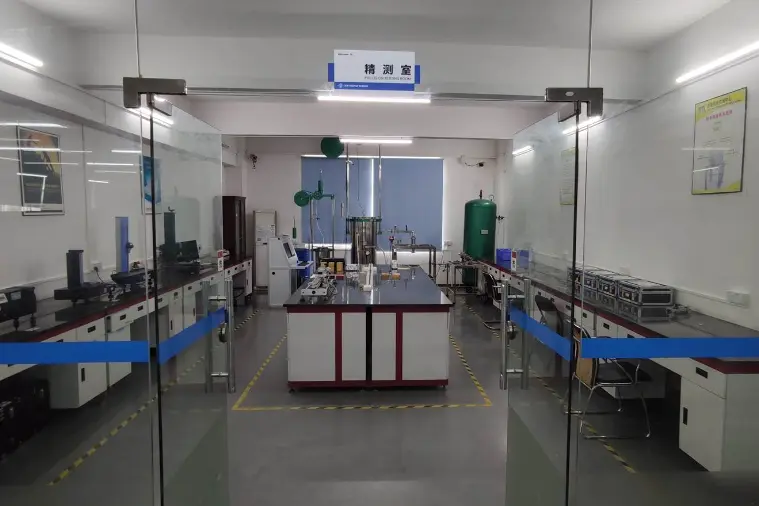
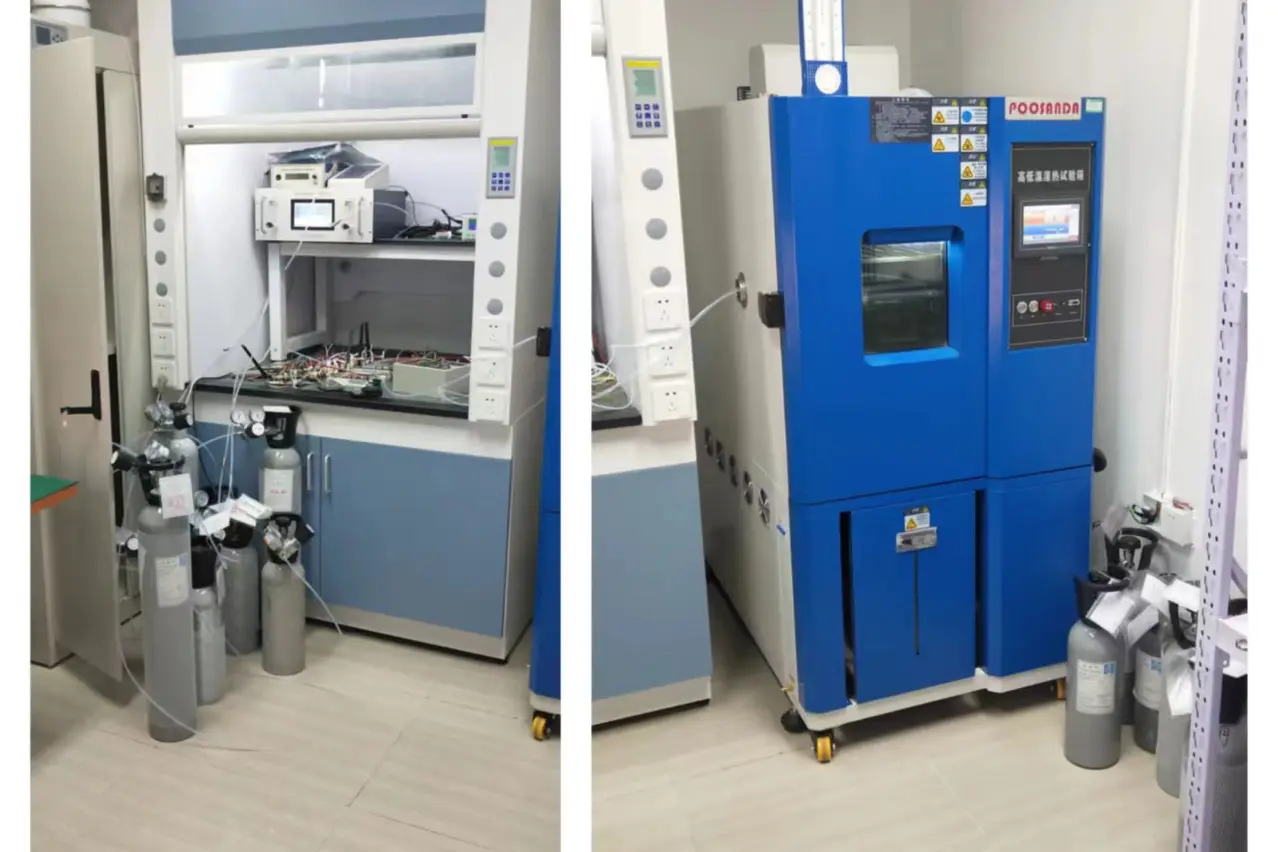
High-precision multi-gas mixing devices enable laboratory researchers and calibration centers to prepare precise gas standards for sensor verification, guaranteeing systemic accuracy.
Traditional gas sensing systems require direct chemical contact, creating high risk for inspection teams in hazardous environments. To address this risk, Minnit (Airpbb) implements Fourier Transform Infrared (FTIR) Telemetering and Ion Mobility Spectrometry (IMS).
FTIR telemetry relies on infrared radiation absorption profiles unique to each molecular structure. This allows our systems to visually trace and map gas plumes from kilometers away, identifying exact chemical compounds without entering the hazard zone.
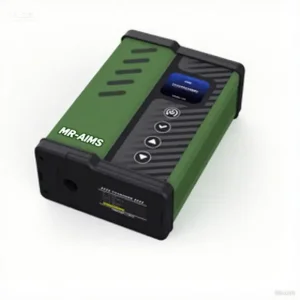
Meanwhile, IMS technology analyzes the speed of ionized gas molecules traveling through an electric field, achieving detection limits in the parts-per-billion (ppb) range within seconds. This rapid capability is essential for identifying trace chemical threats, explosives, or military-grade toxic agents.
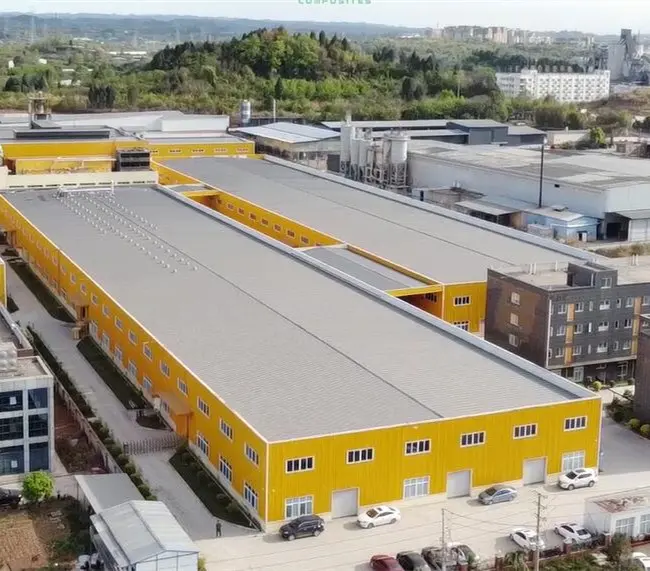
From initial design to manufacturing compliance, our R&D cycle ensures robust instrument delivery.
We provide full-spectrum customization services for global enterprises. This includes custom target gas calibrations, integration of proprietary sensor cores, explosive-proof housing adjustments, and regional localization of control firmware.
Our instruments comply with strict international regulatory standards, ensuring seamless deployment in high-compliance markets such as Europe, Central Asia, and the Far East.

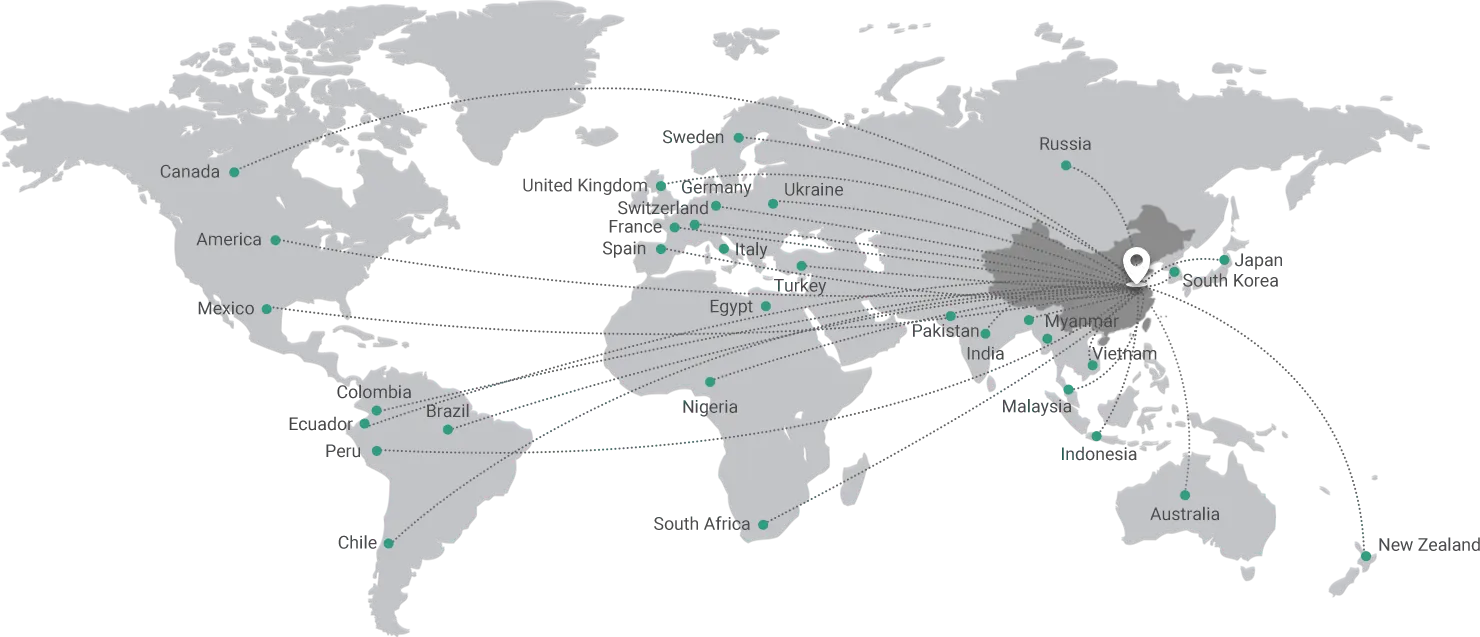
Exported to over 40 countries and regions worldwide, serving advanced petrochemical plants, military compounds, and national regulatory observatories.
Certified quality management systems complying with major verification agencies: CPA, CCEP, CNAS, and CMA.
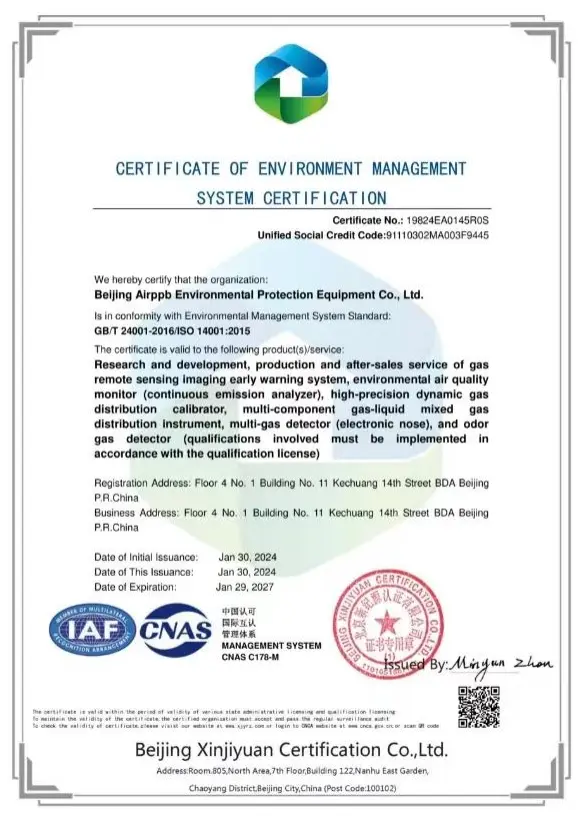
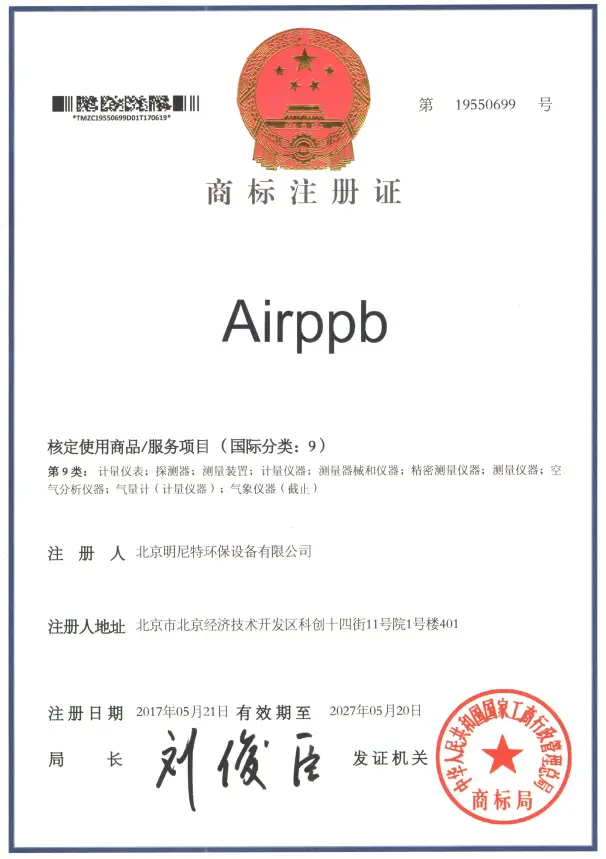
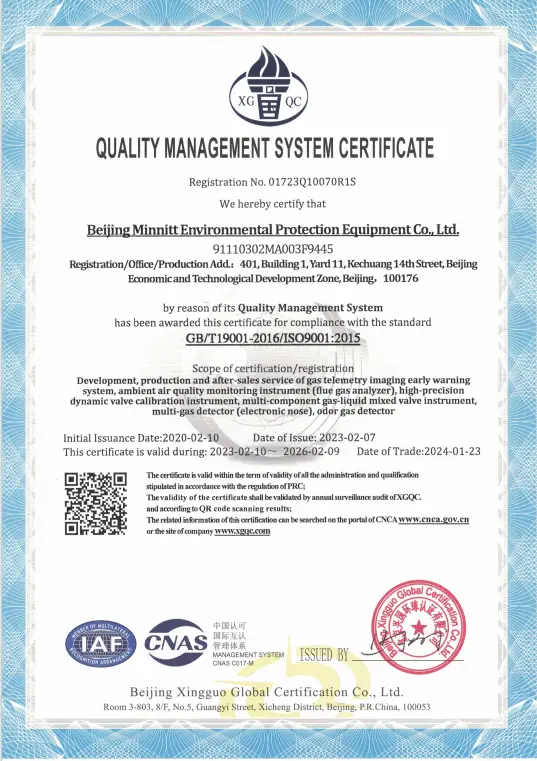
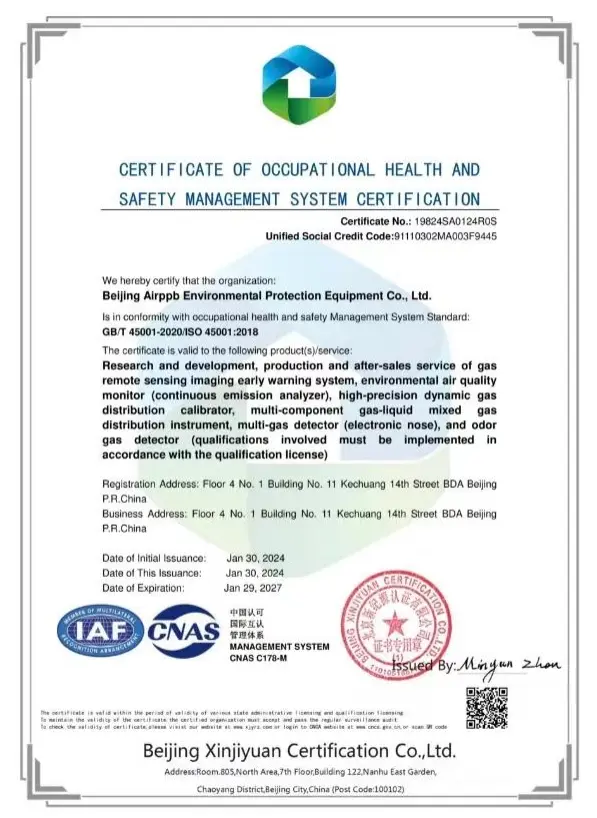
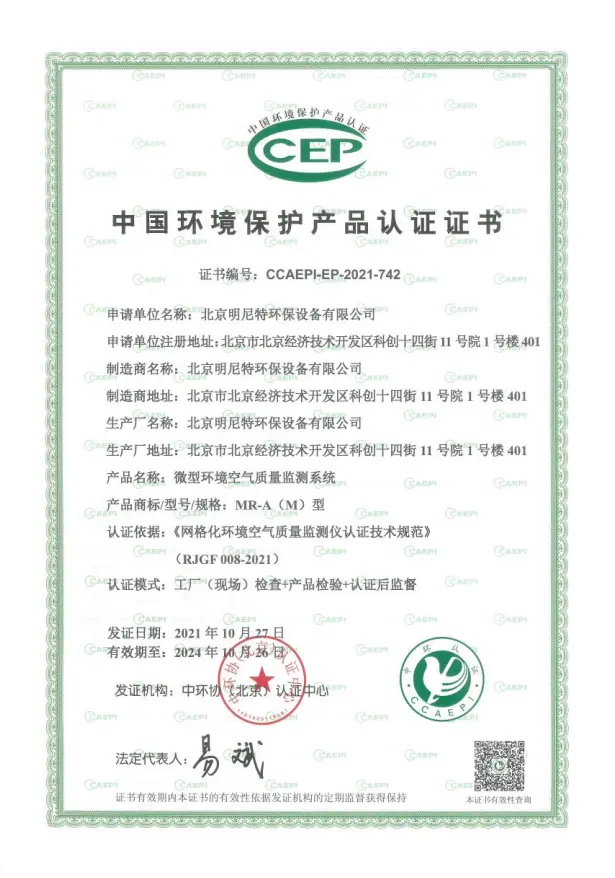
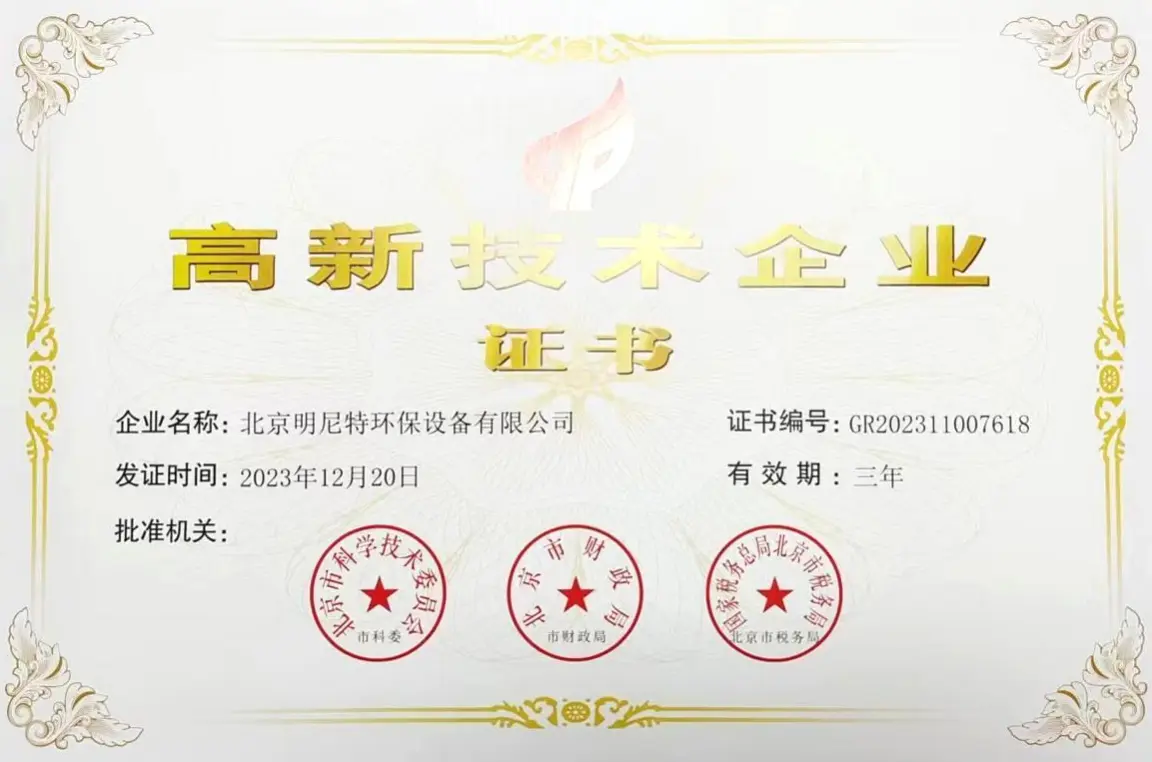

Showcasing our cutting-edge gas monitoring systems to chemical engineers and safety professionals worldwide.
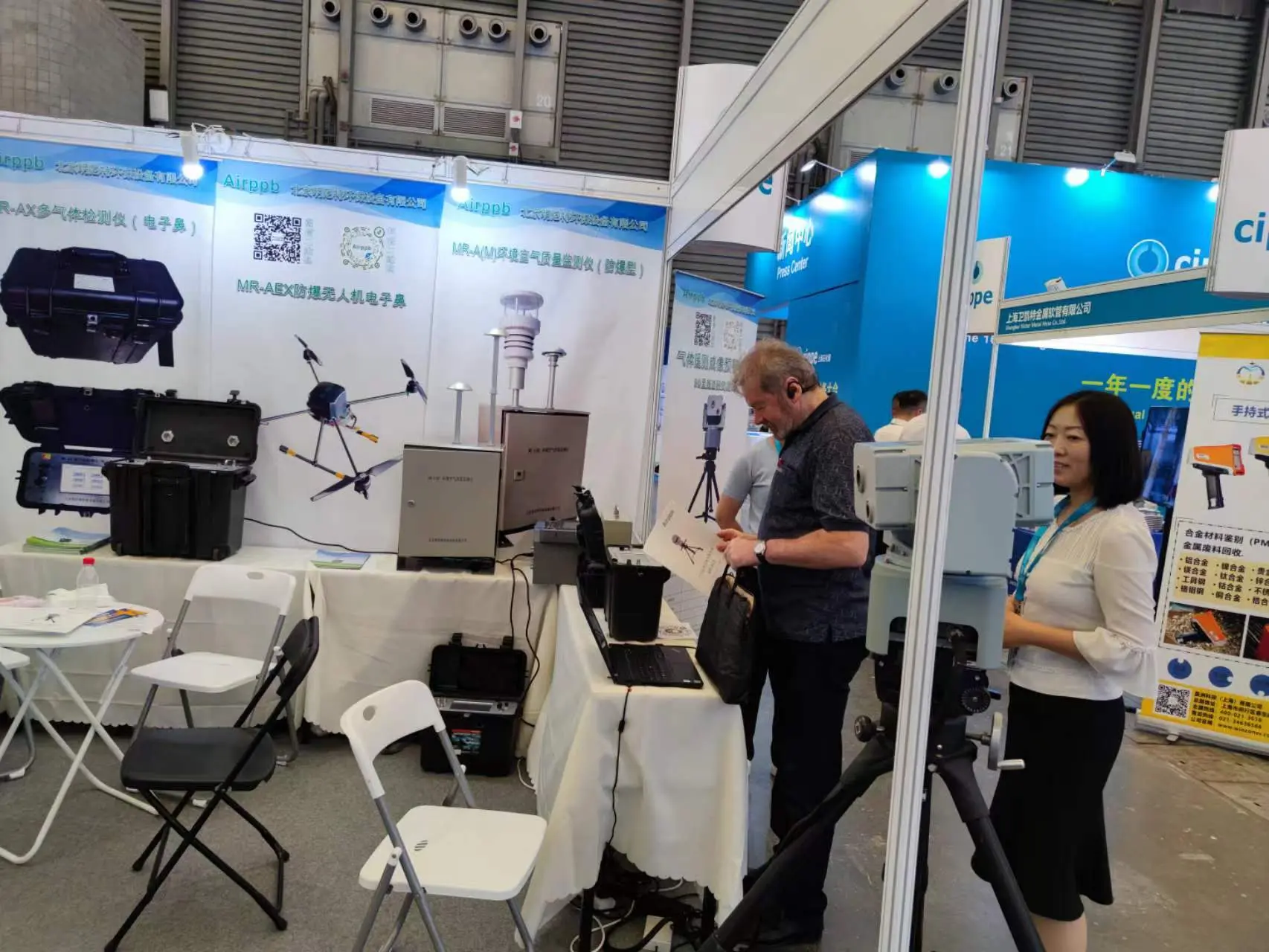
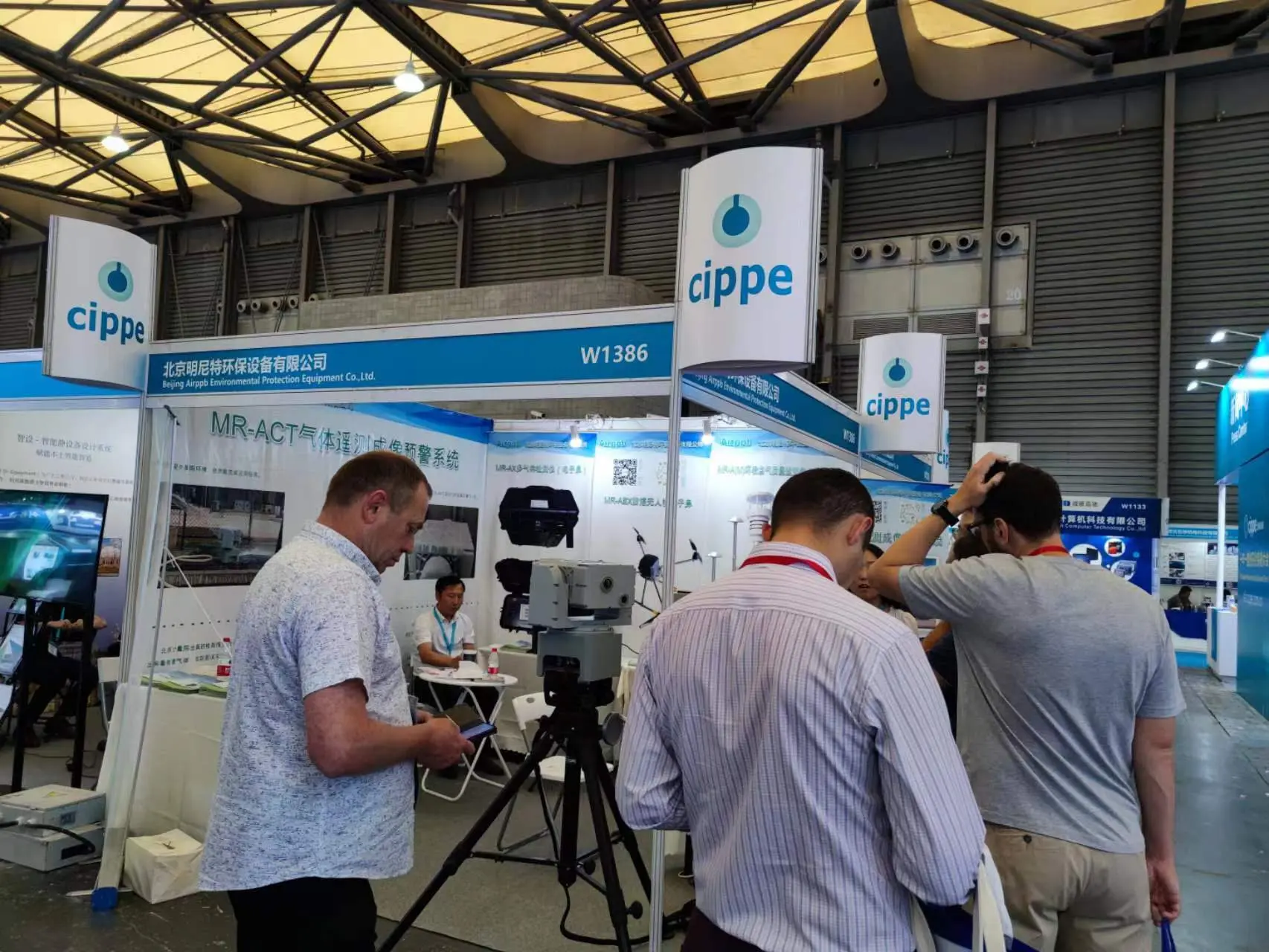
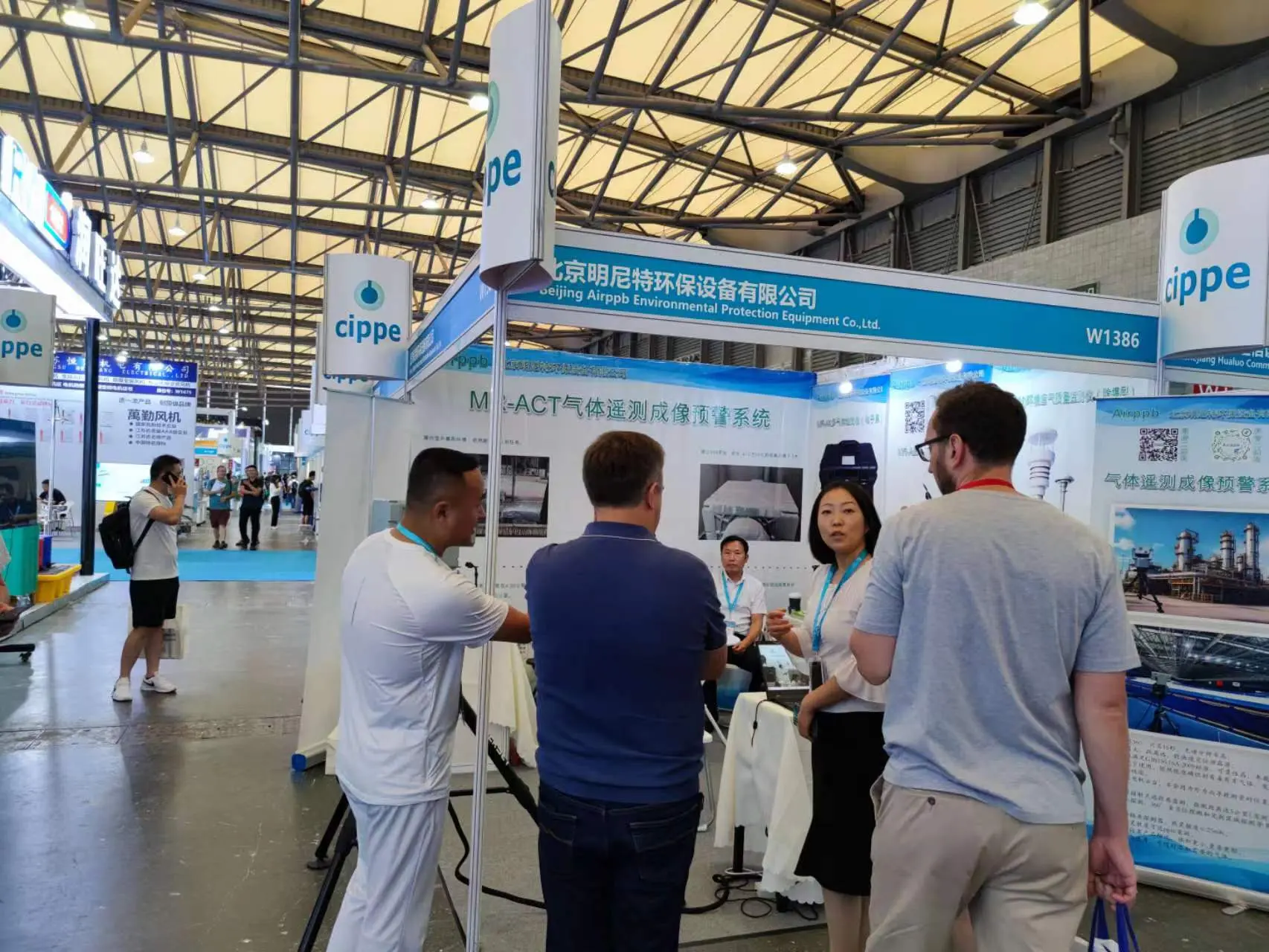
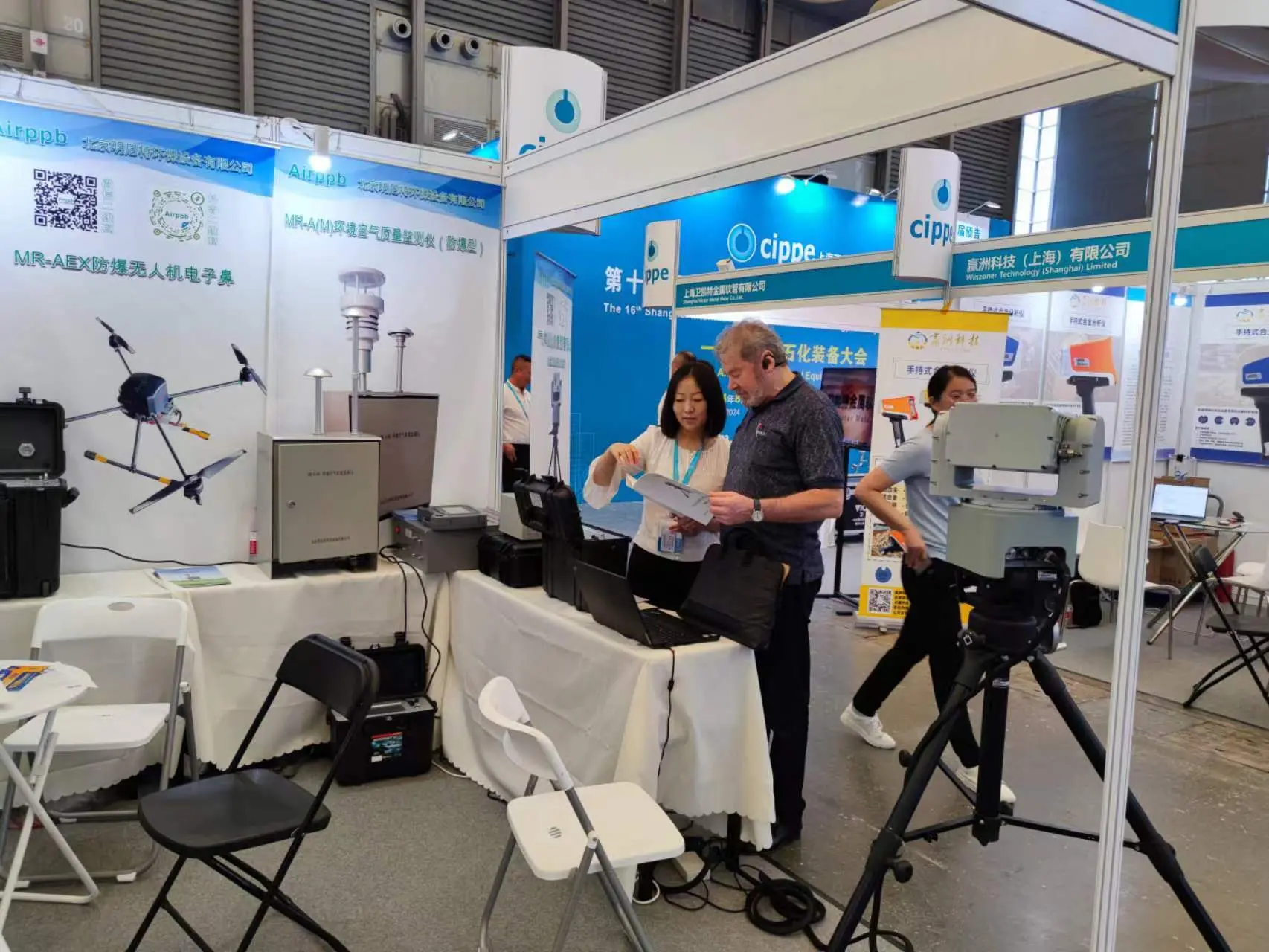

Addressing core technical questions regarding operations in cold climates, calibration standards, and telemetry applications.
Providing remote safety monitoring and trace gas identification capabilities for industrial plants, rescue teams, and security agencies.