 Airppb
Airppb
Airppb
In the modern industrial era, the portable gas monitor has evolved from a simple safety tool to a sophisticated data-driven instrument. For the petroleum and petrochemical industries, the stakes are exceptionally high. Global market analysis indicates a steady 5.8% CAGR in the gas detection sector, driven by stringent workplace safety regulations like OSHA in the US, ATEX in Europe, and increasingly rigorous standards across the Middle East and Asia-Pacific regions.
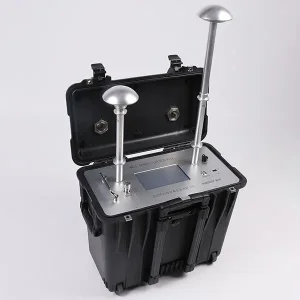
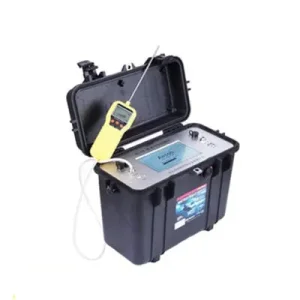
From offshore drilling platforms in the North Sea to sprawling refineries in Jubail, the demand for high-reliability, ruggedized gas detection is universal. Companies are moving away from single-gas sensors toward multi-gas detectors (like our MR-AX series) capable of identifying complex VOCs, toxic gases, and combustible mixtures simultaneously.
Integration with Bluetooth and LoRaWAN allows portable monitors to transmit data to a central command center, enabling remote monitoring of lone workers in hazardous zones.
Moving beyond basic sensors, Fourier Transform Infrared (FTIR) and Ion Mobility Spectrometry (IMS) technologies are now available in portable formats for ultra-precise chemical identification.
Smart algorithms help in filter out false alarms and predicting sensor failure before it occurs, significantly reducing maintenance downtime and increasing safety reliability.
Purchasing managers in the petroleum sector prioritize three core pillars: Reliability, Certification, and Total Cost of Ownership (TCO). Our experience as a global supplier has identified key procurement requirements:

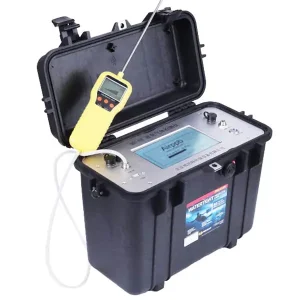
In tank farms and vessel cleaning operations, portable monitors with internal pumps are essential to draw air samples from deep within the structure before personnel enter, checking for H2S, CO, and oxygen deficiency.
Refineries utilize high-sensitivity PID (Photoionization Detector) monitors to identify fugitive emissions from valves, flanges, and pumps, ensuring environmental compliance and preventing product loss.
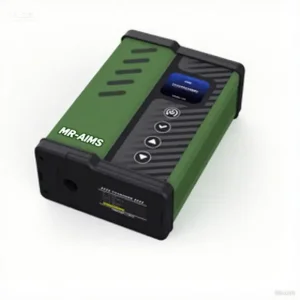
Firefighting and emergency teams use multi-gas identifiers (like the MR-AIMS) to quickly categorize unknown chemical spills or gas leaks during industrial accidents, facilitating rapid decision-making.
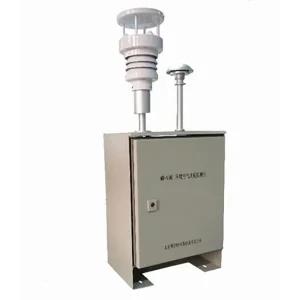
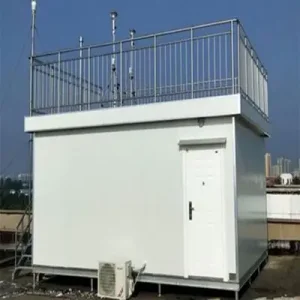
Micro-air stations (MR-A series) are deployed along the boundaries of petrochemical complexes to monitor the impact on local air quality and ensure harmful gases do not drift into residential areas.
As a premier Chinese high-tech enterprise, we bridge the gap between cutting-edge R&D and industrial-scale manufacturing efficiency.
Located in the heart of the global electronics and precision instrument hub, we source premium components with lower lead times and higher cost-efficiency than Western competitors.
Our engineering teams can move from prototype to localized industrial solution in half the time, allowing us to respond to new regulatory requirements or unique client needs instantly.
While maintaining competitive pricing, we adhere to international ISO and safety standards, ensuring our products perform in the harshest environments, from Siberian cold to Middle Eastern heat.
Minnit is a national high-tech enterprise focusing on the research and development and industrialized innovative application of precision gas detection instruments. The company uses technological innovation to realize on-site, automated and intelligent analysis, detection and monitoring, and is committed to becoming the world's leading manufacturer of scientific instruments.
We have mastered relatively complete gas analysis and detection technologies such as electrochemistry, PID, and spectroscopy. Our product portfolio spans laboratory analysis, on-site analysis (portable, online, mobile), and automated analysis, providing global users with comprehensive and professional solutions in the fields of advanced industry, ecological environment emergency safety, and more.