 Airppb
Airppb
Airppb
The global petroleum and petrochemical industry operates within some of the most hazardous environments on Earth. From offshore drilling platforms in the North Sea to massive refineries in the Middle East, the risk of toxic gas leaks and explosive atmospheres is a constant threat. Consequently, the demand for high-precision gas detection manufacturers has surged, driven by stringent occupational health and safety regulations (such as OSHA and ATEX) and a global commitment to environmental protection.
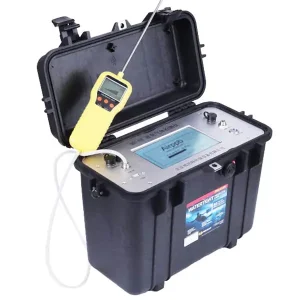
Firefighting and emergency response teams are the second line of defense. When a leak occurs in a petrochemical facility, fire departments require specialized equipment to identify the exact chemical composition of the air. The integration of AI-enhanced telemetry and portable identifiers has revolutionized how these teams mitigate risks, allowing for rapid decision-making that saves lives and prevents catastrophic infrastructure damage.
Today's market is shifting from simple point-detection sensors to integrated network ecosystems. The following trends are defining the future of the industry:
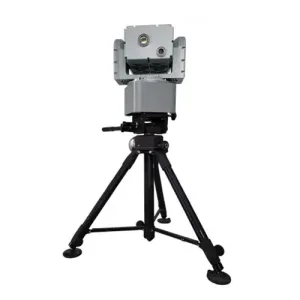
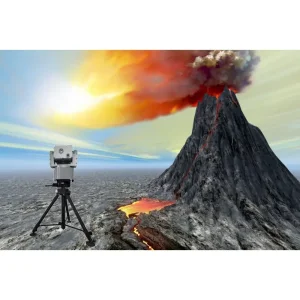
We utilize FTIR and Laser Telemetry to detect gases at a distance of up to several kilometers. This is critical for early warning systems in large-scale petrochemical complexes.
Our IMS technology allows for the identification of chemical hazards and narcotics in seconds, providing military-grade sensitivity for emergency responders.
Automated algorithms filter out false alarms and identify multi-component gas mixtures, ensuring that users receive actionable data, not just raw numbers.
Every region faces unique challenges that dictate gas detection procurement. As a leading manufacturer, we tailor our solutions to these specific environmental demands:
In regions like Saudi Arabia and the UAE, gas detectors must withstand extreme temperatures exceeding 50°C and frequent sandstorms. Our MR-ACT systems feature ruggedized housings and self-cleaning optical paths to ensure reliability in desert environments.
Sub-zero operations require specialized heating elements within sensor modules to prevent freezing and maintain electrolytic activity. Our Russian-specific telemetry systems are designed for -40°C operations.
Tropical climates lead to sensor corrosion. We utilize advanced PID (Photoionization Detection) technology with humidity compensation to provide accurate VOC readings in the rainforests or coastal refineries of Indonesia and Malaysia.
When international procurement officers from BP, Shell, or government firefighting agencies evaluate a manufacturer, they look for four key pillars:
Choosing Minnit, a premier Chinese high-tech enterprise, offers distinct advantages in the global market:
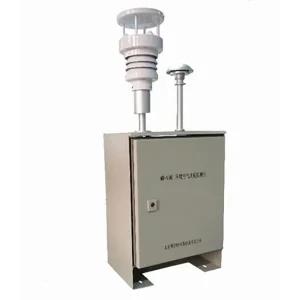
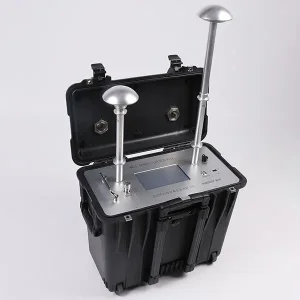
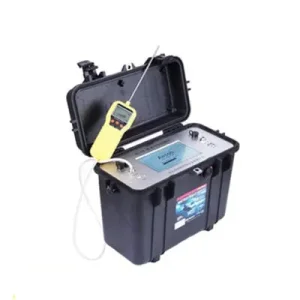
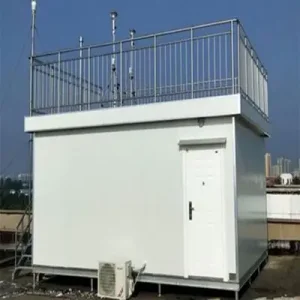
R&D Vertical Integration: Unlike many distributors, we are an industrialized innovative manufacturer. We control the entire process from sensor core development (Electrochemistry, PID, Spectroscopy) to final assembly. This ensures that every MR-AX or MR-A station meets our rigorous internal standards before shipping.
Supply Chain Resilience: Located at the heart of the global electronics hub, we maintain a robust inventory of components, ensuring that even during global shortages, our lead times remain significantly shorter than European or American competitors.
Cost-Effective Precision: We leverage China's advanced manufacturing infrastructure to provide "scientific-grade" instruments at "industrial-scale" prices. This allows emerging markets to access the same level of safety technology used in the world's most advanced refineries.
Customization & OEM/ODM: We understand that a "one size fits all" approach doesn't work in firefighting or petrochemicals. We offer flexible customization for local languages, specific gas target lists, and branding for global partners.
Minnit is a national high-tech enterprise focusing on the research and development and industrialized innovative application of precision gas detection instruments. The company uses technological innovation to realize on-site, automated and intelligent analysis, detection and monitoring, and is committed to becoming the world's leading manufacturer of scientific instruments.
It has mastered relatively complete gas analysis and detection technologies such as electrochemistry, PID, and spectroscopy, and developed laboratory Analysis, on-site analysis (portable, online, mobile), automated analysis and a series of technologically leading product portfolios provide global users with comprehensive and professional solutions in the fields of advanced industry, ecological environment emergency safety and other fields.