
Airppb Airppb

Top Gas Detector Features Buyers Must Consider?

Time:2026-08-04 Author:Liam
0%

In today's industrial landscape, the importance of gas detectors cannot be overstated. According to a report by MarketsandMarkets, the gas detection equipment market is projected to reach $4.5 billion by 2025, reflecting a growing need for safety in various sectors. As industries expand, the potential risks from toxic and flammable gases rise. Effective gas detectors are key to ensuring workplace safety, compliance, and operational efficiency.

Selecting the right gas detector involves understanding crucial features. Buyers face dilemmas, such as whether to prioritize sensitivity or response time. The right technology can make a significant difference in avoiding hazards. A study by Grand View Research emphasizes the role of advanced sensors in increasing detection rates, underscoring the importance of informed choice.

Yet, despite available data, many organizations struggle to select optimal equipment. They often overlook factors like calibration, maintenance, and robustness. This gap in knowledge can lead to costly mistakes. Buyers need to reflect on their unique environments and requirements. Choosing an appropriate gas detector is not just about price; it's about trust and reliability in safety.
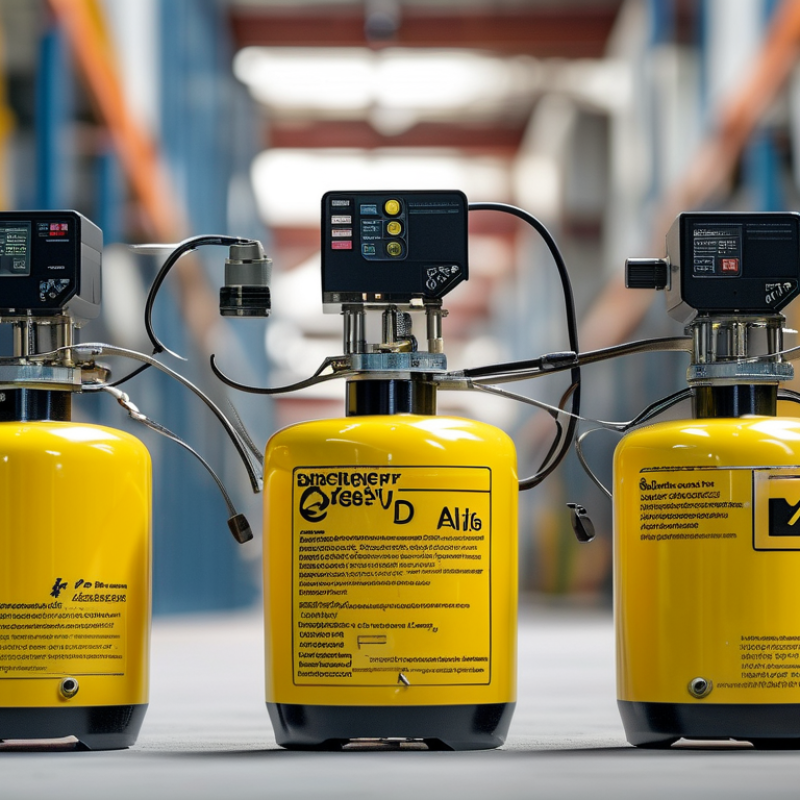
Top Gas Detector Features Buyers Must Consider?

Key Gas Detection Technologies and Their Applications

Gas detectors are essential in various industries, ensuring safety and compliance. Understanding key gas detection technologies is vital for effective monitoring.

Electrochemical sensors are common and effective for detecting toxic gases. They work by reacting with gas molecules, generating a current proportional to gas concentration. This technology is reliable and widely used in workplaces.

Photoionization detectors (PIDs) identify volatile organic compounds. They use ultraviolet light to ionize gas molecules, enabling detection of low concentrations. PIDs are versatile and can be used for environmental monitoring or in confined spaces.

**Tips:** When selecting a gas detector, consider the environment where it will be used. Different conditions may affect sensor performance. Regular calibration is necessary for accurate readings, which is often overlooked.

Infrared sensors are ideal for detecting hydrocarbons. They excel in harsh conditions, offering improved reliability. However, they may require more maintenance than other sensors. Understanding the limitations of each technology helps in making informed choices.

**Tips:** Always assess the potential gas types and concentrations in your specific application. This ensures the chosen detector matches your needs effectively.

Top Gas Detector Features Buyers Must Consider

Important Sensitivity and Range Specifications for Gas Detectors

When choosing a gas detector, sensitivity and range are key specifications. Sensitivity indicates how effectively a detector can identify gas levels. A higher sensitivity means the detector can detect lower concentrations of gas. This is crucial in environments where even minimal gas leaks can pose serious risks.

Range plays an equally important role. It defines the maximum distance at which a detector can accurately sense gas. Some detectors work well in small, confined spaces. Others are designed for larger, open areas. Understanding your specific needs will guide you in selecting a suitable range. A detector that is too sensitive may trigger false alarms. Conversely, one with insufficient range may miss dangerous leaks.

Many buyers overlook calibration requirements. Regular calibration is necessary to maintain the accuracy of a gas detector. The lack of proper calibration can lead to undetected hazards, impacting safety. Users should never assume that a gas detector remains accurate without regular check-ups. Reliability can diminish over time, affecting safety.

Top Gas Detector Features Buyers Must Consider

Feature Description Sensitivity Range
Type of Gas Detected Identifies specific gases such as methane, propane, CO2. 50 PPM 0-1000 PPM
Response Time How quickly the device detects gas presence. < 10 seconds N/A
Battery Life Duration of operation on a single charge. N/A 12 hours
Alarm Type Visual or audible alerts when gas is detected. N/A N/A
Portability Ease of carrying and operating the device. N/A Weight: 0.5 kg

User-Friendly Features: Display, Alarms, and Interface Designs

When selecting a gas detector, user-friendly features are vital. A clear display enhances usability. Consider an intuitive interface that allows quick navigation through settings. Users benefit from easy-to-read readouts, especially in critical situations. According to a report by the National Institute for Occupational Safety and Health (NIOSH), ergonomic design can reduce user errors by 30%.

Alarms play a crucial role. Look for adjustable tone levels and visual alerts. Detectors with varying alarm modes are more effective. Auditory signals can be overwhelming in high-stress environments, while visual cues provide clarity. The American Industrial Hygiene Association (AIHA) indicates that well-designed alarms can improve response times by 25%. Still, the potential for alarm fatigue exists.

**Tips:** Regularly test your device. Ensure the alarms function properly. Familiarize yourself with the interface to build confidence. Despite advancements, it’s valuable to reflect on your experiences. Gather feedback from peers. Continuous improvement can lead to better safety choices.

Portability and Durability Considerations for Gas Detectors

When selecting a gas detector, portability and durability are crucial factors. A report by the American Industrial Hygiene Association highlights that nearly 30% of safety incidents are linked to equipment malfunction due to environmental factors. Lightweight detectors enhance usability and reduce user fatigue, especially in tight spaces. Ease of transport can significantly impact emergency response times.

Durability goes beyond mere construction materials. The National Institute for Occupational Safety and Health (NIOSH) indicates that devices subjected to harsh conditions often fail prematurely. Waterproof and dustproof ratings, such as IP67, are essential for detectors used in challenging environments. Data suggests that detectors with high resistance to shock and extreme temperatures have significantly longer lifespans, sometimes exceeding five years.

Moreover, balancing portability with rugged design can be challenging. Portable devices may sacrifice durability for weight. Consideration must be given to whether the detector can withstand drops or exposure to chemicals. Understanding these trade-offs can lead to more informed decisions when investing in life-saving technology. As data consistently shows, ensuring the right features can make all the difference in both safety and performance.

Calibration and Maintenance Requirements for Optimal Performance

Calibration and maintenance are critical for gas detectors. Regular checks ensure that these devices function accurately. Calibration involves comparing the device's readings to a known standard. This process helps identify any inaccuracies. Not doing this could lead to dangerous situations. Without proper calibration, the detector may fail to alert you to hazards.

Maintenance is equally vital. A well-maintained gas detector has a longer lifespan. Routine inspections help identify wear and tear. Dust or moisture can affect performance. If a detector is not cleaned regularly, it may present false readings. Some users overlook this aspect, assuming that the device will work indefinitely.

Documentation of calibration and maintenance is essential. Keeping records allows you to track the history of the device. This creates accountability. It also assists in troubleshooting if issues arise. Neglecting these requirements can lead to dire consequences. Gas detectors are your first line of defense. Their reliability hinges on your commitment to care for them properly.

FAQS

: What is the significance of sensitivity in gas detectors?

: Sensitivity indicates how well a detector identifies gas levels. Higher sensitivity detects lower gas concentrations effectively.

Why is range important for gas detectors?

Range defines the maximum distance a detector can sense gas accurately. It helps in selecting detectors for specific environments.

What can happen if a gas detector is too sensitive?

A detector that is too sensitive may trigger false alarms. This can lead to unnecessary panic and confusion.

How often should gas detectors be calibrated?

Regular calibration is necessary for maintaining accuracy. Users should not assume detectors remain accurate without check-ups.

What are the consequences of neglecting calibration and maintenance?

Neglect can lead to undetected hazards. Inaccurate detectors pose serious safety risks in any environment.

How does portability affect gas detector usability?

Lightweight detectors enhance usability and reduce fatigue, especially in tight spaces. This impacts emergency response times significantly.

How important is durability for gas detectors?

Durability is crucial, especially in harsh conditions. Waterproof and dustproof features prolong a detector's lifespan and reliability.

What role does maintenance play in the lifespan of gas detectors?

Maintenance ensures longer device lifespan. Routine inspections identify wear and tear, affecting overall performance.

Should users document calibration and maintenance?

Yes, keeping records aids in tracking device history and troubleshooting. This creates accountability for safety measures.

What trade-offs exist between portability and durability?

Portable devices may sacrifice durability for weight. Understanding these trade-offs is essential for effective safety equipment choices.

Conclusion

When selecting a gas detector, buyers should carefully consider various essential features to ensure optimal performance and safety. Key gas detection technologies and their specialized applications play a critical role in choosing the right device for specific environments. Important sensitivity and range specifications help determine how well a gas detector can identify and quantify hazardous gases, making these metrics vital for effective operation.

Additionally, user-friendly features such as display clarity, alarm systems, and intuitive interface designs enhance usability, especially in emergency situations. Portability and durability are also significant considerations, as gas detectors must withstand diverse working conditions while being easy to transport. Finally, understanding calibration and maintenance requirements is crucial for ensuring the gas detector operates efficiently over time, providing reliable protection and peace of mind for users.

Liam

Liam

Liam is a dedicated marketing professional with a profound expertise in the industry, where he excels at highlighting the unique advantages of our core products. With a keen understanding of market trends and consumer needs, Liam frequently updates our company’s professional blog, providing......